Request A Quote For Ant Control
Why Getting Rid Of Ants Is Important
Getting rid of ants is important because they can contaminate food, spread bacteria, damage property, and become difficult to control when their colonies grow. Although many ant species are relatively harmless, certain species can create persistent problems in homes and businesses by searching for food, nesting inside structures, or damaging wood. Addressing an ant infestation early can help protect your property, maintain sanitary conditions, and prevent the problem from becoming more difficult and expensive to resolve.
One of the main reasons to eliminate ants is that they can contaminate food and food-preparation areas. Ants frequently travel across floors, garbage, soil, and other surfaces before entering kitchens, pantries, and food-storage areas. As they search for food, they may carry microorganisms on their bodies and contaminate exposed food, countertops, dishes, and utensils. Even when ants do not pose a significant health risk, their presence in areas where food is prepared or stored creates sanitation concerns. Keeping food sealed, cleaning spills promptly, and eliminating access to food sources can help reduce the likelihood of an infestation.
Another important reason to get rid of ants is that some species can cause structural damage. Carpenter ants, for example, excavate tunnels in wood to create nesting galleries. Unlike termites, carpenter ants do not eat wood for nutrition, but their tunneling can weaken damp or damaged wooden materials over time. Carpenter ants may establish nests in wall voids, window frames, roof structures, decks, and other wooden components. If left untreated, a colony can expand into additional areas, potentially increasing repair costs. Identifying and eliminating the nest is important for preventing further damage.
Ants can also become a persistent nuisance because they often travel in large numbers. When worker ants discover a reliable source of food or water, they leave pheromone trails that guide other members of the colony to the same location. This can result in long lines of ants appearing around sinks, countertops, pet food bowls, garbage cans, and other areas. Wiping away visible ants may provide temporary relief, but the problem can continue if the colony and its food source remain undisturbed. Effective control requires identifying where ants are entering and determining what is attracting them.
Another concern is that ant colonies can grow and spread. Depending on the species and environmental conditions, a colony may contain hundreds, thousands, or even many more individuals. Some species establish satellite nests, making it difficult to eliminate the entire infestation by treating only the ants that are visible. In addition, certain species can establish new colonies through a process called budding, in which part of a colony separates and forms another nest. This means that poorly targeted treatments may fail to resolve the problem and can sometimes make control more complicated.
Ants can also cause problems outdoors. Some species protect aphids and other insects that produce honeydew, a sugary substance ants consume. By protecting these insects from predators, ants may indirectly contribute to plant damage in gardens and landscaping. Other species can disturb lawns, patios, walkways, and garden beds by building mounds or nesting beneath paving stones. While many outdoor ants are beneficial because they help break down organic matter and improve soil movement, large populations close to buildings can become a nuisance or create conditions that allow ants to enter indoors.
Certain ant species also present more direct risks. Fire ants, where established, can sting repeatedly and cause painful reactions. Some people experience severe allergic reactions to ant stings and may require emergency medical attention. Other ants can bite or cause discomfort when their nests are disturbed. Although most household ants are not aggressive toward people, identifying the species is important when deciding how urgently and carefully the infestation should be handled.
Getting rid of ants can also help maintain a clean and comfortable living environment. Finding ants in cupboards, bathrooms, bedrooms, or food containers can be frustrating, especially when they continue to return after repeated cleaning. A persistent infestation may indicate that ants have established a nest inside the building or are entering through openings that have not been sealed. Removing accessible food sources, correcting moisture problems, sealing entry points, and using appropriate control methods can help reduce recurring activity.
The most effective way to control ants depends on the species and the location of the nest. Ant baits can be useful because worker ants carry the bait back to the colony, where it may affect other ants, including developing individuals and queens, depending on the product. Spraying only the ants you can see may not eliminate the colony, and some treatments can interfere with bait effectiveness. Carpenter ant infestations may require locating nests in damp wood or concealed structural areas. If ants continue appearing despite reasonable preventive measures, our professional exterminators can identify the species, locate likely nesting areas, and recommend a targeted treatment plan.
Ant Infestations
Ant infestations can grow surprisingly quickly, sometimes developing from a few scattered ants into a much larger colony over several weeks or months. The speed of growth depends on the ant species, the size and maturity of the colony, the availability of food and water, and the conditions around the property. When ants have reliable access to food, moisture, and suitable nesting areas, their populations can increase significantly. This is why it is important to address ant activity early, before the infestation spreads to additional rooms or becomes more difficult to control.
In the early stages of an infestation, homeowners may notice only a few ants traveling along countertops, floors, windowsills, or baseboards. These ants are usually workers searching for food or water and following their pheromone trails back to their nest. If they find a dependable food source, they can guide other workers to the same location, causing ant activity to increase noticeably within hours or days. Although this sudden increase may look like rapid reproduction, it often occurs because more ants from an existing colony are following the same trail.
Over the following weeks and months, an established colony may continue growing as the queen produces eggs and the developing ants mature. The rate of growth varies considerably by species. Some colonies contain hundreds or thousands of ants, while certain species can establish colonies with many thousands or more. Carpenter ants, for example, can develop large colonies over time, while odorous house ants may establish multiple connected or satellite nests around a property. When a colony becomes established inside a wall void, beneath flooring, or near a foundation, it can remain hidden while the number of ants increases.
Some ant species can also spread by establishing additional nests. This process can occur when a colony divides or when part of a colony forms a new nest nearby. Certain species, including odorous house ants, can establish multiple nests that make an infestation more difficult to eliminate. If treatment is poorly targeted, some ants may relocate rather than being eliminated. As a result, an infestation that initially appears limited to one kitchen or bathroom may eventually affect several areas of a building.
Environmental conditions play an important role in how quickly ant infestations develop. Warm temperatures, accessible food, moisture, and protected nesting locations can support colony activity. Crumbs, sugary spills, uncovered garbage, pet food, and leaking pipes can attract foraging ants. Outside, colonies may establish nests beneath rocks, paving stones, mulch, and landscape timbers before workers begin entering nearby buildings. Buildings with cracks around foundations, windows, doors, and utility lines may provide easy access to indoor food and water sources.
The potential consequences of a growing ant infestation depend on the species involved. Many household ants are primarily a nuisance because they contaminate food and repeatedly appear in kitchens, pantries, and other living spaces. Carpenter ants can be more concerning because they excavate wood to create nesting galleries, potentially damaging damp or deteriorating structural materials over time. Certain stinging species can also pose a health risk, particularly to people who are allergic to their venom. Correctly identifying the species helps determine how urgently the problem needs to be addressed and which control methods are most appropriate.
To prevent an infestation from growing, remove accessible food sources, store groceries in sealed containers, clean up spills promptly, secure garbage, and repair leaking pipes. Sealing cracks and gaps around the building can reduce the number of entry points available to foraging ants. Ant baits may help control a colony because workers can carry the bait back to the nest, but the correct product and placement depend on the species and its feeding preferences. Spraying the ants that are visible may provide only temporary relief if the colony remains active.
If ants continue appearing despite cleaning and basic preventive measures, our professional exterminators can inspect the property, identify the species, and determine whether the nest is located indoors or outdoors. Our professional treatment may be especially useful when ants appear in several rooms, return repeatedly, or show signs of carpenter ant activity.
Professional Ant Control Services
Hiring our professional, local exterminators to get rid of ants is more effective than trying to eliminate them on your own because our pest-control professionals have the training and experience to identify ant species, locate nesting areas, and select appropriate treatments. Although do-it-yourself methods can eliminate the ants you see, they often fail to address the colony responsible for the infestation. Ants can establish nests inside walls, beneath floors, around foundations, and in other concealed locations, making it difficult to eliminate the entire population without a targeted approach. Our professional exterminators can help address the source of the infestation, reduce recurring ant activity, and recommend preventive measures to keep ants from returning.
One of the main advantages of hiring our professionals is accurate ant identification. Different ant species require different control methods, and using the wrong treatment can waste time and money. For example, carpenter ants excavate wood to create nesting galleries and may cause damage to structural materials, while odorous house ants commonly enter homes in search of food and may establish multiple nests. Pavement ants frequently nest beneath sidewalks, driveways, and foundations, while some other species can establish colonies in wall voids or damp areas. Our professional exterminators can identify the species based on its appearance, behavior, and nesting habits, allowing them to develop a treatment plan suited to the particular infestation.
Our professional exterminators can also locate ant nests that homeowners may overlook. Ants often build colonies in concealed spaces, including wall voids, crawl spaces, insulation, landscaping materials, and areas beneath concrete. Seeing ants travel along a countertop or baseboard does not necessarily reveal where the colony is located. Our trained technicians can follow ant trails, inspect likely nesting areas, and look for conditions that support the infestation. Finding and treating the nest, when possible, is more effective than simply repeatedly spraying individual ants.
Another important benefit of our professional pest control is the ability to select the appropriate treatment. Many homeowners rely on store-bought sprays, but these products may kill only the ants they contact directly. They often do not reach the queen or the rest of the colony. In some cases, spraying visible ants can actually interfere with baiting strategies and may even cause some species to relocate or establish additional nests. Our professional exterminators understand how to use baits, targeted treatments, and other control methods according to the ant species and the conditions around the property. This improves our likelihood of controlling the infestation while limiting unnecessary pesticide use.
Hiring our professionals can be particularly important when dealing with carpenter ants. Unlike termites, carpenter ants do not consume wood for food, but they excavate tunnels inside it to create nesting galleries. They commonly establish nests in damp or damaged wood around windows, doors, rooflines, decks, and other structural components. If the colony remains active, the damage may become more extensive over time. Our professional exterminators can investigate potential nesting areas, determine whether moisture problems are contributing to the infestation, and recommend treatment or repairs to help prevent further damage. Severe structural concerns may also require a qualified contractor to assess the affected materials.
Our professional exterminators can help prevent ants from returning by identifying the conditions that attract them. Ants commonly enter buildings through small cracks around foundations, gaps beneath doors, damaged window screens, and openings around pipes or utility lines. Food crumbs, exposed garbage, sugary spills, pet food, and moisture can also attract foraging ants. Our local pest-control professionals can inspect the property and recommend practical improvements, such as sealing entry points, correcting moisture problems, trimming vegetation away from the building, and storing food in tightly sealed containers. Addressing these conditions helps make the property less attractive to ants after treatment.
Hiring our local exterminators offers additional advantages because our local professionals are familiar with the ant species and seasonal pest pressures commonly encountered in the area. We are better equipped to recognize whether an infestation is likely to originate indoors, outdoors, or in a nearby landscape feature. We also provide follow-up inspections and additional treatment if ant activity continues.
Another reason to hire our professionals is to reduce the time and frustration associated with repeated do-it-yourself attempts. Homeowners may spend weeks applying sprays, placing traps, and cleaning surfaces without eliminating the colony. When ants continue returning, the problem may involve an inaccessible nest, multiple colonies, or an incorrect identification of the species. Our professionals can evaluate the situation and create a coordinated plan rather than relying on trial and error. This can be particularly valuable when ants are appearing in several rooms, returning repeatedly, or especially when affecting a business where sanitation is essential.
Our professional pest control can also help reduce the risk of unnecessary exposure to pesticides. Applying insecticides incorrectly or using products in areas where food is prepared can create avoidable risks for people and pets. Our exterminators are trained to follow product-label instructions and select appropriate application methods. They can explain any precautions required during and after treatment and will recommend non-chemical measures when these are sufficient.
Ants In Pennsylvania
Carpenter Ants
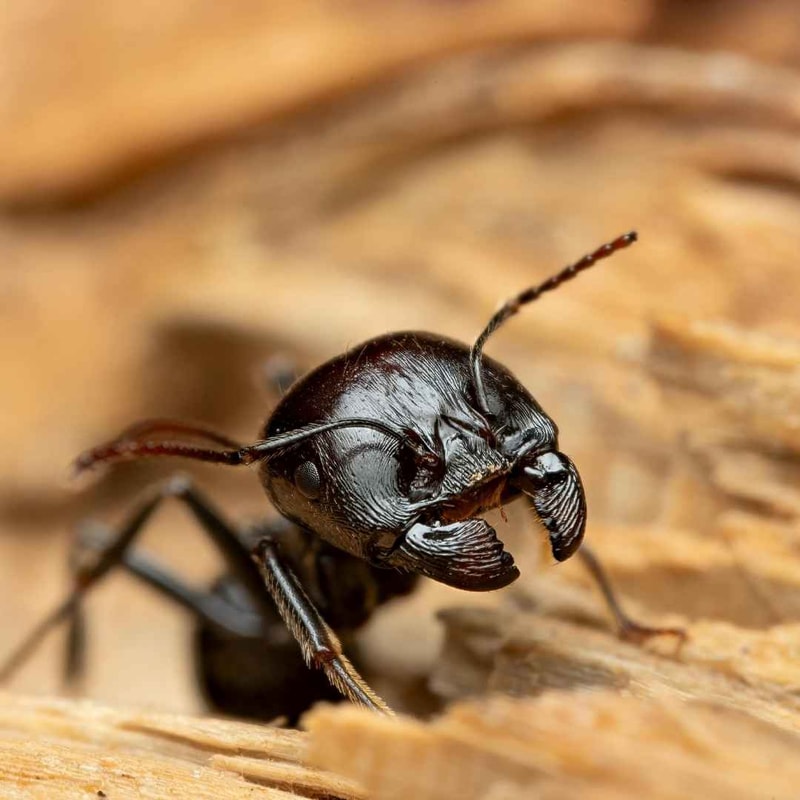
Carpenter ants are commonly found in wooded, residential, and commercial areas throughout Pennsylvania, including suitable habitats in and around Hanover, Pennsylvania. These ants are particularly associated with mature trees, decaying wood, fallen logs, and structures containing damp or moisture-damaged timber. The wooded areas, farmland, older properties, and residential neighborhoods surrounding Hanover provide suitable conditions for carpenter ants to establish colonies. They are especially attracted to wood that has been softened by moisture, although they can also nest in sound, dry wood. Unlike termites, carpenter ants do not eat wood for nutrition; instead, they excavate tunnels and galleries inside it to create nesting spaces. Their presence at a particular property depends on factors such as moisture levels, available nesting sites, nearby trees, and access to food.
Around Hanover homes, carpenter ants are often found in damp basements, crawl spaces, attics, wall voids, roof eaves, window frames, and areas where water has damaged wooden structures. They may establish nests in wooden porch supports, deck boards, door frames, window sills, and roof timbers, particularly when these areas have experienced leaks or prolonged moisture exposure. Carpenter ants can also nest in insulation voids and other concealed spaces connected to damaged wood. Outside, they commonly inhabit tree stumps, fallen branches, decaying logs, hollow trees, and dead portions of standing trees. Homes surrounded by mature trees, wooded lots, or old tree stumps may be more likely to encounter foraging carpenter ants, especially when branches touch the roof or other parts of the building and provide convenient routes indoors.
In Hanover's commercial buildings, carpenter ants may be found in offices, warehouses, restaurants, retail properties, and other structures containing suitable nesting sites. Buildings with leaking roofs, plumbing problems, damaged siding, or poorly ventilated crawl spaces may provide favorable conditions for colonies to develop. Carpenter ants may also travel through wall voids, along plumbing lines, and across structural beams while searching for food. They typically forage for sweet substances, insects, and other sources of protein, so they may appear in kitchens, break rooms, pantries, and areas where food residue accumulates. However, seeing a few carpenter ants indoors does not necessarily mean a colony is nesting inside the building; workers may be traveling indoors from an outdoor nest located in a nearby tree, stump, or piece of decaying wood.
Carpenter ant activity in Hanover is generally most noticeable during spring and summer, when workers forage more actively and reproductive ants may emerge to establish new colonies. During warmer weather, homeowners may see large black or reddish-black ants traveling along foundations, decks, tree branches, and interior walls. Some species may also produce small piles of coarse sawdust-like material, known as frass, near nesting sites. This material can contain wood fragments, insect parts, and other debris that the ants remove while excavating their galleries. Finding frass near a window frame, basement beam, attic timber, or wooden deck may indicate a nearby nest, although the material should be examined carefully because other insects and sources of wood debris can produce similar signs.
Little Black Ants
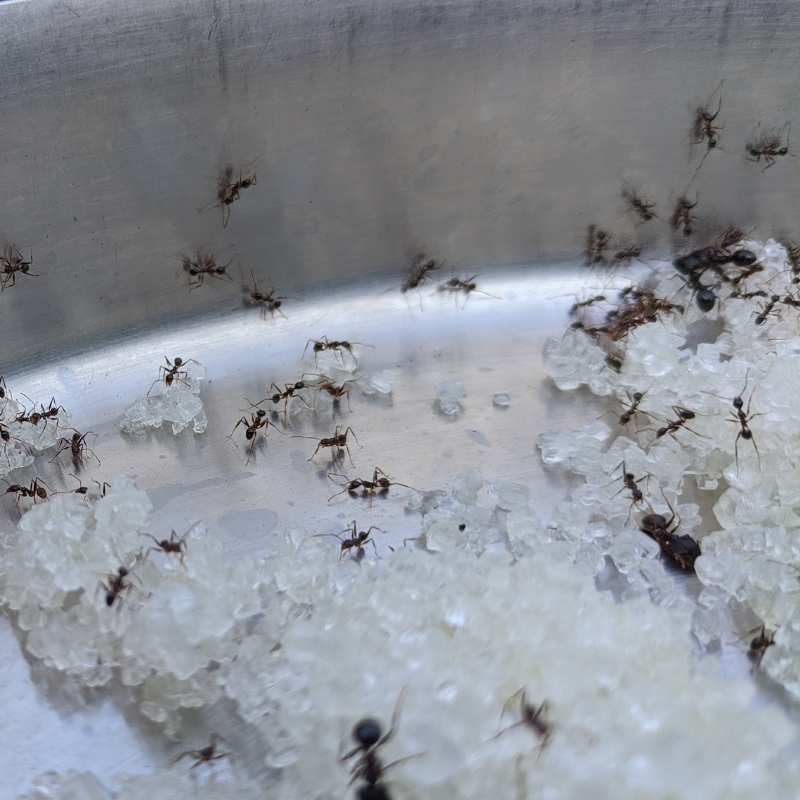
Around Hanover, PA, little black ants are most commonly found in areas where food, moisture, and shelter are readily available, including kitchens, bathrooms, basements, and outdoor landscaping. Little black ants (Monomorium minimum) are a small ant species that frequently nests outdoors in soil, under rocks, beneath fallen branches, inside rotting wood, and around the foundations of homes and businesses. In residential areas throughout Hanover and the surrounding York and Adams County communities, these ants may establish colonies in lawns, gardens, flower beds, and spaces beneath patios, sidewalks, and driveways. They can also nest beneath loose bricks, landscape edging, and other materials that provide protection from the weather. When little black ants enter buildings, they are often found along baseboards, around window frames, near plumbing openings, and inside wall voids. Kitchens and pantries can be especially attractive because these ants feed on a variety of foods, including sweets, grease, and other food scraps. They may travel along countertops, inside cabinets, and around sinks while searching for crumbs, spilled liquids, and other accessible food sources. Bathrooms, laundry rooms, and basements may also attract foraging ants when moisture is readily available. During warmer months, little black ants are generally more active outdoors and may enter buildings through small cracks in foundations, gaps around doors and windows, or openings where utility lines enter the structure. Although these ants are not typically considered a major structural threat, large colonies can become persistent nuisances when they repeatedly invade kitchens, food storage areas, and other indoor spaces. To reduce the likelihood of an infestation, homeowners should store food in sealed containers, clean up spills promptly, repair moisture problems, and seal potential entry points. If little black ants continue appearing despite these measures, our professional pest control technicians can help locate the nesting sites, identify the ants accurately, and customize the most effective treatment for your property.
Odorous House Ants
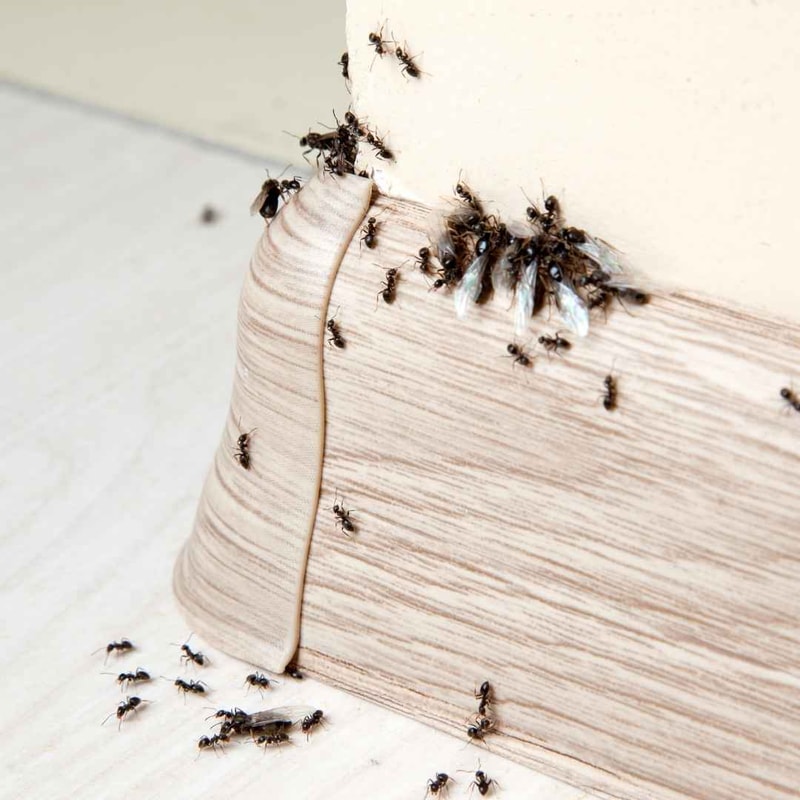
Odorous house ants (Tapinoma sessile) are commonly found in residential, commercial, and outdoor environments throughout Pennsylvania, including suitable habitats in and around Hanover, Pennsylvania. These small ants are highly adaptable and can establish colonies in a wide range of locations where food, moisture, and shelter are available. Around Hanover, they may be encountered in residential neighborhoods, apartment buildings, restaurants, offices, and other properties where crumbs, sugary substances, and accessible water provide reliable food sources. Outdoors, they commonly inhabit areas with mulch, leaf litter, stones, fallen branches, and decaying wood.
Inside Hanover homes, odorous house ants are frequently found in kitchens, bathrooms, pantries, laundry rooms, and other areas where food and moisture are readily available. They may travel along countertops, baseboards, cabinet edges, plumbing lines, and window frames while searching for food. Common nesting locations include wall voids, spaces beneath flooring, areas around pipes, and gaps behind cabinets or appliances. These ants are particularly attracted to sugary foods, including spilled juice, syrup, fruit, and food residue left on counters. They may also feed on other insects and protein-based foods. Because their colonies can contain multiple queens and may divide into several interconnected nesting sites, odorous house ants can be difficult to eliminate when they become established indoors.
In Hanover's commercial buildings, odorous house ants may be found in restaurants, grocery stores, bakeries, offices, retail establishments, and other facilities where food residue or moisture is present. Kitchens, employee break rooms, food-storage areas, and spaces around sinks and drains can provide favorable conditions. Ants may enter through small gaps around doors, windows, foundations, and utility lines, following established trails between their nests and food sources. Businesses that receive frequent deliveries or have poorly sealed food-storage containers may experience recurring ant activity if food remains accessible. However, the presence of a few foraging ants does not necessarily mean that a colony is nesting inside the building, as workers may be traveling indoors from an outdoor nest nearby.
Outside homes and businesses around Hanover, odorous house ants commonly nest beneath rocks, paving stones, landscape timbers, mulch, leaf litter, and other objects that provide protection and retain moisture. They may also establish colonies in decaying logs, beneath tree bark, around foundations, and near sidewalks or driveways. Residential properties with landscaped garden beds, dense vegetation, irrigation systems, or damp areas around foundations may offer suitable nesting conditions. During warmer months, workers often forage along foundations and enter buildings through small openings in search of food. Their activity can become especially noticeable when outdoor conditions are unfavorable or when indoor food sources are readily available.
Odorous house ants are named for the distinct rotten-coconut-like smell that many people notice when the ants are crushed. They are typically small, dark brown to black, and may form visible trails along walls, countertops, and other surfaces. Their colonies can remain active for much of the year when conditions are favorable, particularly inside heated buildings during colder Pennsylvania weather. To reduce ant activity, homeowners and business owners should store food in sealed containers, clean spills promptly, repair plumbing leaks, remove unnecessary outdoor debris, and seal gaps around building openings. Because odorous house ants can establish multiple nesting sites and may relocate when disturbed, identifying the source and using appropriately labeled ant baits is often more effective than repeatedly spraying visible trails.
Pavement Ants
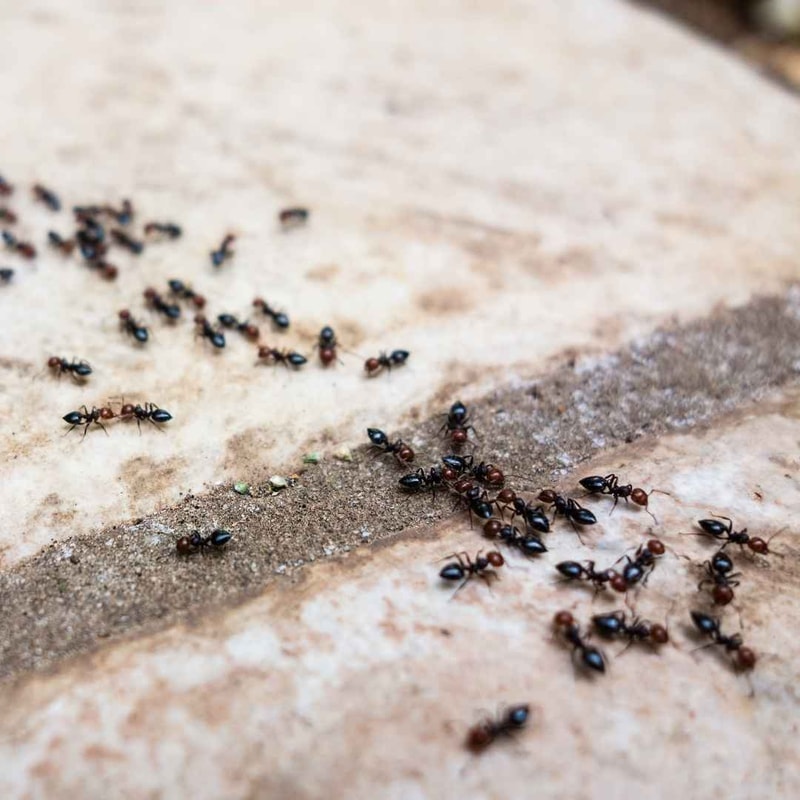
Pavement ants (Tetramorium immigrans) are commonly found in residential, commercial, and urban environments throughout Pennsylvania, including suitable habitats in and around Hanover, Pennsylvania. These small ants are named for their tendency to build nests beneath sidewalks, driveways, patios, and other paved surfaces. Hanover's residential neighborhoods, shopping areas, parking lots, and commercial properties provide plenty of potential nesting locations because pavement ants thrive where concrete, asphalt, and buildings create sheltered spaces close to food sources.
Around Hanover homes, pavement ants are frequently found nesting beneath concrete walkways, driveways, garage floors, patios, steps, and foundation slabs. They often enter buildings through small cracks in foundations, gaps around doors and windows, and openings where utility lines pass through exterior walls. Once inside, they may appear in kitchens, pantries, basements, and other areas where food crumbs or spills are available. Pavement ants commonly feed on sugary substances, grease, proteins, and other food scraps, so they may forage around kitchen counters, pet food bowls, garbage containers, and food-storage areas. Their trails can sometimes be seen following baseboards, moving along foundation walls, or traveling through gaps between flooring and walls. In many cases, ants found indoors are foraging from an outdoor nest beneath nearby pavement rather than maintaining a colony inside the house.
In Hanover's commercial areas, pavement ants may occur around restaurant entrances, sidewalks, parking lots, loading areas, office buildings, retail stores, and other structures with paved surfaces. They commonly nest in cracks between paving stones, beneath curbs, around concrete foundations, and in expansion joints where small openings provide access to protected soil. Businesses may notice pavement ants entering through ground-level doors or foundation gaps, particularly when food waste, spilled drinks, or other accessible food sources are present. Restaurants, grocery stores, and food-service establishments can be especially attractive when crumbs and grease accumulate around entrances, waste-storage areas, or outdoor seating spaces. However, finding pavement ants in a commercial building does not necessarily mean that they are nesting indoors; the colony may be located beneath a nearby sidewalk, parking area, or concrete slab.
Outside residential and commercial properties around Hanover, pavement ants may also nest beneath rocks, landscaping stones, bricks, retaining walls, and other objects that rest on the soil. They often establish colonies in exposed, sunny locations where the ground warms quickly, and small piles of displaced soil may appear along sidewalk cracks or at the edges of driveways. Pavement ants are generally more active during the warmer months, particularly spring and summer, when workers forage for food and colonies expand. During these periods, homeowners may notice long ant trails along pavement edges, around foundation walls, or between outdoor nests and indoor food sources. These ants may also engage in territorial conflicts with neighboring pavement ant colonies, sometimes resulting in visible groups of ants fighting on sidewalks or driveways.
Pharaoh Ants
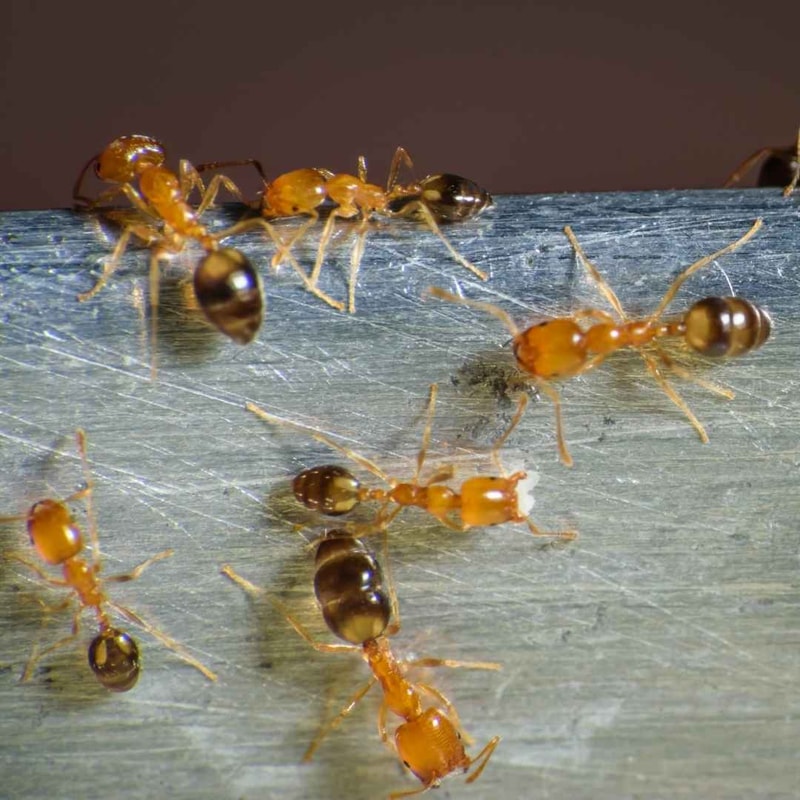
Pharaoh ants (Monomorium pharaonis) are small, warm-weather-adapted ants that are typically found indoors in heated residential, commercial, and institutional buildings. In Hanover, Pennsylvania, they would be most likely to occur in environments that provide consistent warmth, moisture, food, and protected nesting sites, such as apartment buildings, restaurants, hotels, hospitals, nursing homes, and other facilities with stable indoor temperatures. Because they cannot tolerate cold outdoor conditions well, they are particularly dependent on heated indoor environments in areas like south-central Pennsylvania, where winters can be cold.
Within Hanover homes and apartments, pharaoh ants may be found in kitchens, bathrooms, pantries, laundry rooms, and other areas where food and moisture are available. They often nest in tiny, concealed spaces, including wall voids, behind baseboards, inside cabinets, beneath flooring, and around plumbing fixtures. Their small size allows them to enter through narrow cracks and gaps around pipes, electrical outlets, windows, and doors. They are attracted to a wide range of food sources, including sugary substances, grease, and protein-based foods, and they may forage along countertops, sinks, and cabinet edges. Unlike some larger ant species that build outdoor nests and enter buildings only to search for food, pharaoh ants can establish entire colonies indoors, making them particularly difficult to control once they become established.
In Hanover's commercial and institutional buildings, pharaoh ants may be encountered in restaurants, grocery stores, food-storage areas, hotels, healthcare facilities, and other buildings where warmth and accessible food are consistently available. Hospitals and nursing homes can be especially challenging environments because pharaoh ants may nest in wall cavities, utility spaces, and areas near plumbing, then travel through buildings in search of food and moisture. In restaurants and food-service establishments, they may forage around sinks, food-preparation areas, storage cabinets, and waste containers. They can also spread between adjoining rooms or building sections through plumbing penetrations, wall openings, and utility pathways. Their small size and ability to establish multiple nesting sites make it difficult to locate every colony through visual inspection alone.
Pharaoh ants are especially troublesome because their colonies can contain multiple queens and can reproduce through a process called budding, in which a portion of the colony separates and establishes a new nest. Certain disturbances, including inappropriate insecticide treatments, may cause colonies to split and spread into additional areas. For this reason, spraying visible trails can make an infestation more difficult to manage. In properties around Hanover, effective control generally relies on identifying the ants correctly, eliminating accessible food and water, and using appropriately labeled ant baits that workers carry back to the colony. Baiting must be carefully managed, and treatment may require professional assistance when ants occur in multiple rooms or sensitive facilities.
Thief Ants
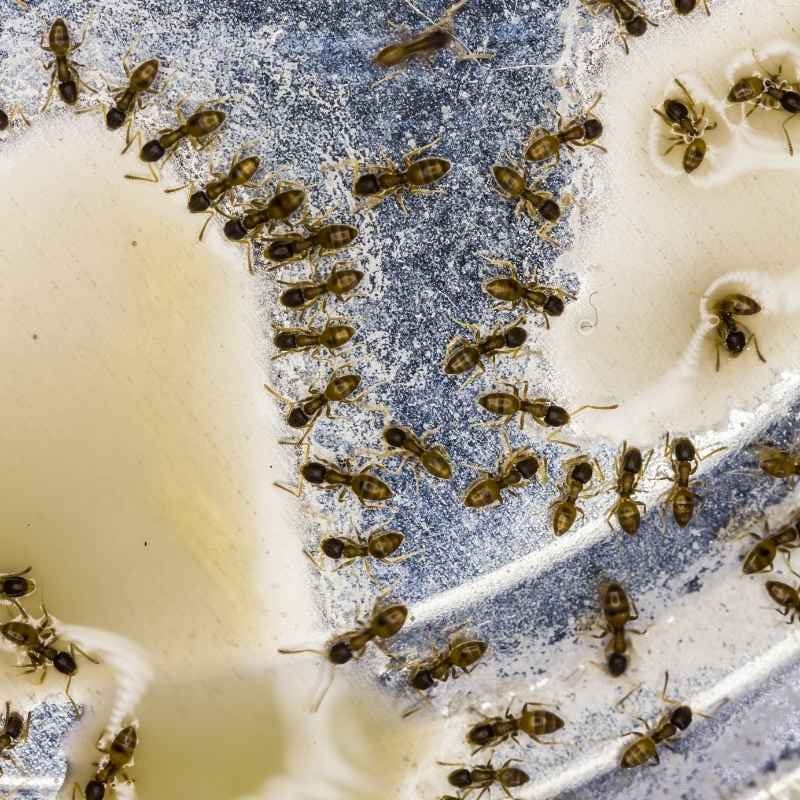
Around Hanover, PA, thief ants are most likely to be found in kitchens, pantries, wall voids, crawl spaces, basements, and other areas where they can access food and establish small, hidden nests. These tiny ants are common household pests that often enter homes and businesses in search of greasy foods, meat, sweets, and other protein-rich or sugary materials. Around Hanover and the surrounding areas, thief ants may nest outdoors in soil, beneath rocks, under paving stones, around foundations, and near the nests of other ant species, from which they sometimes steal food and brood. Their ability to nest in very small spaces makes them difficult to locate, and indoor colonies may establish themselves behind baseboards, beneath flooring, inside wall cavities, or around plumbing and utility openings. Homeowners may notice thief ants traveling along narrow trails near food storage areas, countertops, cabinets, pet food bowls, or small cracks where pipes enter the building. Because thief ants are exceptionally small, they can also enter through tiny gaps around doors, windows, foundation cracks, and other openings that larger insects cannot easily use. In residential and commercial properties in Hanover, infestations may develop when ants find reliable access to food and moisture, particularly in kitchens, restaurants, food storage areas, and other places where crumbs or food residues accumulate. Thief ants can be mistaken for pharaoh ants or other small yellowish ants, so accurate identification is important when choosing a control method. Their colonies are often difficult to eliminate with surface sprays alone because nests may be concealed inside structural voids or located outdoors near other ant colonies. Keeping food in sealed containers, cleaning spills promptly, reducing excess moisture, and sealing entry points can help discourage their activity. If you repeatedly notice tiny ants around food preparation areas or emerging from cracks in walls and floors, our professional pest control specialists can identify the species, locate likely nesting sites, and recommend an appropriate treatment for your Hanover property.