
Request A Quote For Bed Bug Control
Why Getting Rid Of Bed Bugs Is Important
Getting rid of bed bugs is important because they can cause itchy skin reactions, disrupt sleep, create significant stress, and spread throughout a home if left untreated. Bed bugs are small, blood-feeding insects that hide in mattresses, bed frames, furniture, and cracks near sleeping areas. Although they are not known to transmit diseases to humans, they can be difficult to eliminate because they hide in small spaces, reproduce over time, and can survive for extended periods without feeding. Addressing a bed bug infestation promptly helps protect your comfort, reduce the risk of the infestation spreading, and prevent the problem from becoming more difficult and expensive to resolve.
One of the main reasons to get rid of bed bugs is that their bites can cause uncomfortable skin reactions. Bed bugs feed on human blood, usually while people are sleeping, and their bites may produce red, itchy bumps or raised welts. Reactions vary from person to person, and some people may show little or no visible response. Others may experience significant itching, swelling, or irritation. Repeated scratching can break the skin and increase the risk of a secondary skin infection. Eliminating bed bugs helps prevent continued bites and reduces the discomfort associated with an ongoing infestation.
Another important reason to eliminate bed bugs is that they can interfere with sleep and affect emotional well-being. Knowing that insects may be feeding while you sleep can cause anxiety, embarrassment, and persistent worry. Some people develop difficulty falling asleep, repeatedly inspect their bedding, or avoid their bedrooms because they are concerned about being bitten. Over time, poor sleep can affect concentration, mood, and daily activities. Getting rid of bed bugs can help restore a sense of comfort and security in the home.
Bed bugs can also spread from one area to another if an infestation is not controlled. They hide in mattress seams, box springs, headboards, bed frames, upholstered furniture, baseboards, and small cracks near sleeping areas. They can travel between rooms by crawling and may be transported in luggage, clothing, used furniture, and other belongings. In apartment buildings, they may occasionally move between neighboring units through gaps and shared structural spaces. As the infestation spreads, more rooms and belongings may require inspection and treatment, making the problem harder to manage.
Another concern is that bed bugs reproduce and establish hidden populations. Female bed bugs lay eggs in protected locations, and newly hatched insects can develop into adults under suitable conditions. Because eggs and young bed bugs are difficult to see, an infestation may continue even after the adult insects have been removed. Bed bugs can also survive for extended periods without a blood meal, depending on temperature and their life stage. This means that leaving a room unused or temporarily sleeping elsewhere will not reliably eliminate the infestation. Effective control requires treating the areas where bed bugs and their eggs may be hiding.
Bed bug infestations can also become expensive if they are allowed to persist. Homeowners may replace mattresses, discard furniture, purchase multiple do-it-yourself products, or repeatedly wash belongings without resolving the underlying problem. In many cases, throwing away furniture is unnecessary if it can be treated appropriately. Early identification and a coordinated treatment plan can reduce unnecessary expenses and limit the number of belongings that need special attention. Our professional bed bug control services may be particularly valuable when bed bugs are present in several rooms or continue appearing after initial treatment.
It is also important to get rid of bed bugs because do-it-yourself treatments can be ineffective or unsafe when used incorrectly. Household insecticide sprays and bug bombs may not reach insects hidden deep inside furniture, mattress seams, or wall cracks. Some bed bug populations have developed resistance to certain insecticides, further reducing the effectiveness of some products. Improper pesticide use can also expose people and pets to harmful chemicals without eliminating the infestation. Our professional exterminators can identify likely hiding places and select appropriate methods, which may include a combination of targeted insecticides, fumigation, heat treatment, vacuuming, and other integrated pest-management techniques.
In addition, bed bugs can create challenges in hotels, rental properties, healthcare facilities, and other places where people sleep or spend extended periods. An infestation may lead to complaints, disrupted operations, additional cleaning requirements, and concerns about the spread of insects between rooms or units. Prompt identification and appropriate treatment help limit these problems and reduce the likelihood that bed bugs will be transported to other locations.
The most effective way to control bed bugs is to combine careful inspection with appropriate treatment and follow-up monitoring. Washing and drying suitable bedding and clothing at high temperatures can kill bed bugs and their eggs when the items reach the required temperature for long enough. Vacuuming can help remove some visible insects, while mattress and box-spring encasements may help contain bed bugs and simplify monitoring. However, these measures alone are rarely sufficient to eliminate an established infestation. Our certified pest-control professionals can inspect affected areas, determine the extent of the problem, develop a customized treatment plan, and follow-up with additional inspections and treatments when necessary.
Bed Bug Infestations
Bed bug infestations can grow surprisingly quickly, sometimes developing from a small number of insects into a much larger infestation over several weeks or months. Bed bugs reproduce by laying eggs in protected areas near places where people sleep, such as mattress seams, bed frames, headboards, and nearby furniture. Because these insects are small, hide during the day, and can remain unnoticed for extended periods, an infestation may become well established before a homeowner realizes how serious the problem has become. Addressing bed bugs early is important because the longer they remain untreated, the more difficult and expensive they can be to eliminate.
Adult female bed bugs can lay approximately one to five eggs per day under favorable conditions, potentially producing hundreds of eggs over their lifetime. The eggs are tiny, often about the size of a pinhead, and are deposited in cracks, crevices, and other protected locations. Depending on temperature and environmental conditions, eggs typically hatch in about six to ten days. The young bed bugs, called nymphs, must obtain blood meals as they develop through five immature stages before becoming adults. Under favorable conditions, this development can take approximately five weeks, although cooler temperatures and limited access to food can slow the process.
During the first few weeks of an infestation, a person may notice only a few bites, small blood stains on sheets, dark spots on a mattress, or occasional live insects near the bed. These signs can be easy to overlook because bed bugs hide in narrow spaces and are most active when people are resting. As the population increases, more insects may begin appearing in mattress seams, bed frames, headboards, nightstands, upholstered furniture, and cracks along baseboards. However, the number of visible bed bugs does not always reflect the true size of the infestation, since many may remain concealed.
Over the course of one to three months, an untreated infestation can become substantially larger when temperatures are suitable and bed bugs have regular access to blood meals. Eggs continue hatching, nymphs develop into adults, and newly mature females begin laying eggs of their own. This creates overlapping generations that can increase the population over time. The exact rate of growth varies depending on temperature, feeding opportunities, survival rates, and the effectiveness of any control measures already in place.
Bed bug infestations can also spread beyond the original sleeping area. Although bed bugs do not typically travel on people in the same way that lice do, they can hitchhike in luggage, clothing, bedding, used furniture, and other belongings. As an infestation becomes more established, some bed bugs may move into nearby rooms or furniture while searching for access to a host. In apartment buildings, they may occasionally move between adjoining units through gaps and shared structural spaces. Moving infested belongings without proper precautions can also introduce bed bugs into previously unaffected areas.
Several conditions can allow an infestation to persist and grow. Warm indoor temperatures support bed bug development, while regular access to people or other suitable hosts provides opportunities to feed. Clutter around beds and furniture creates additional hiding places, making inspection and treatment more difficult. In addition, bed bugs can survive for extended periods without feeding under suitable conditions, so leaving a room unused or temporarily sleeping somewhere else will not reliably eliminate them.
To prevent an infestation from becoming more severe, inspect mattress seams, bed frames, headboards, and nearby furniture when bed bugs are suspected. Wash and dry suitable bedding and clothing using high temperatures appropriate for the materials, and keep potentially infested belongings contained during handling. Avoid moving furniture or bedding into other rooms without taking precautions, since this can spread the insects. Do not rely on bug bombs or ordinary household sprays as a complete solution, because these products may fail to reach bed bugs hidden in protected spaces.
If you find live bed bugs, repeated signs of activity, or insects appearing in multiple locations, consider contacting a professional exterminator. A trained technician can inspect the property, determine the likely extent of the infestation, select appropriate treatment methods, and recommend follow-up inspections to identify surviving insects or newly hatched nymphs.
Professional Bed Bug Control Services
Hiring our professional, local exterminators to get rid of bed bugs is more effective than trying to eliminate them on your own because bed bugs are difficult to locate, can hide in extremely small spaces, and survive ineffective treatments. These pests commonly hide in mattress seams, bed frames, headboards, upholstered furniture, baseboards, and cracks near sleeping areas. Although do-it-yourself methods may eliminate some visible bed bugs, they often fail to reach hidden insects and eggs. Our professional exterminators have the training, equipment, and experience to inspect the affected areas, determine the extent of the infestation, and develop a treatment plan designed to eliminate bed bugs at all of the different stages of their life cycle.
One of the biggest advantages of hiring our professionals is accurate identification and inspection. Bed bugs are small, flat insects that can hide in places that are difficult to examine without knowing what to look for. Their eggs and young nymphs are particularly easy to overlook, allowing an infestation to continue even after adult insects have been removed. Our professional exterminators know how to recognize signs of bed bug activity, including live insects, shed skins, eggs, dark fecal spots, and blood stains on bedding. By inspecting mattresses, box springs, bed frames, furniture, and nearby hiding places, our technicians can determine where treatment is needed and whether the infestation has spread beyond the bed.
Our professional exterminators can also select treatment methods that are appropriate for the severity of the infestation. Many homeowners initially try household insecticide sprays, foggers, or other over-the-counter products. However, these products may not penetrate the narrow spaces where bed bugs hide, and some bed bug populations have developed resistance to certain insecticides. Bug bombs are particularly unreliable because the pesticide may not reach insects concealed inside furniture, wall gaps, and other protected locations. Our professionals can choose from appropriate methods, including targeted insecticide applications, specialized heat treatments, vacuuming, and other integrated pest-management techniques. The goal is to treat the infestation systematically rather than simply killing the bed bugs that are visible.
Another important reason to hire our professionals is to address bed bugs at different stages of their life cycle. Female bed bugs lay small eggs in protected locations, and newly hatched nymphs can remain hidden until they find an opportunity to feed. Some treatments kill exposed insects but do not reliably eliminate every egg. Depending on the products and methods used, follow-up treatments or inspections may be necessary to identify newly hatched insects and confirm that the infestation has been controlled. Our professional exterminators can develop a treatment schedule based on the methods used and the conditions inside the property, reducing the likelihood that surviving bed bugs will establish the infestation again.
Hiring our professionals can also help prevent bed bugs from spreading to additional rooms or belongings. When homeowners discover bed bugs, they may move mattresses, furniture, clothing, or other items into different parts of the house in an attempt to escape the infestation. Unfortunately, moving infested belongings without taking precautions can transport bed bugs into previously unaffected areas. Our professionals can explain how to prepare the property, handle potentially infested items, and avoid spreading insects during treatment. They can also recommend practical measures for inspecting luggage, clothing, and furniture when bed bugs may have been introduced from another location.
Another advantage of our professional bed bug control is the ability to reduce unnecessary pesticide exposure. Applying insecticides incorrectly, using products on mattresses when the label does not permit it, or combining different chemicals can create health risks without resolving the infestation. Our professional exterminators are trained to follow product-label requirements and use appropriate application methods. They can also explain any precautions that household members and pets must follow before, during, and after treatment. This is particularly important in bedrooms, where people spend many hours sleeping and have close contact with bedding and furniture.
Hiring our local exterminators provides additional benefits because our local professionals are familiar with common bed bug problems in nearby homes, apartments, hotels, and other buildings. We also provide follow-up services and inspections if bed bug activity re-occurs. In multi-unit housing, our professionals can help determine whether neighboring rooms or units should be inspected, since bed bugs can occasionally move between adjoining spaces.
Our professional bed bug treatments can also save time and reduce the frustration associated with repeated do-it-yourself attempts. Bed bug control often requires careful preparation, detailed inspection, repeated monitoring, and attention to numerous hiding places. Homeowners may spend considerable time washing bedding, vacuuming furniture, purchasing products, and treating rooms without eliminating the entire infestation. When bed bugs continue appearing, the underlying problem may involve untreated eggs, hidden insects, pesticide resistance, or bed bugs spreading to other areas. Our professionals organize these steps into a coordinated treatment plan and explain what the homeowner needs to do to support the process.
Hiring our professionals may also help reduce the total cost of dealing with a persistent infestation. The repeated purchases of ineffective products, unnecessary furniture replacement, and prolonged treatment attempts can become costly in comparison to the costs of professional bed bug control. Mattresses and other belongings do not automatically need to be discarded when bed bugs are discovered. Our certified exterminators can advise which items are able to be treated safely and which, if any, may require special handling or disposal. Addressing the infestation systematically can help prevent unnecessary spending and reduce the risk of recurring problems.
Bed Bugs In Hanover PA
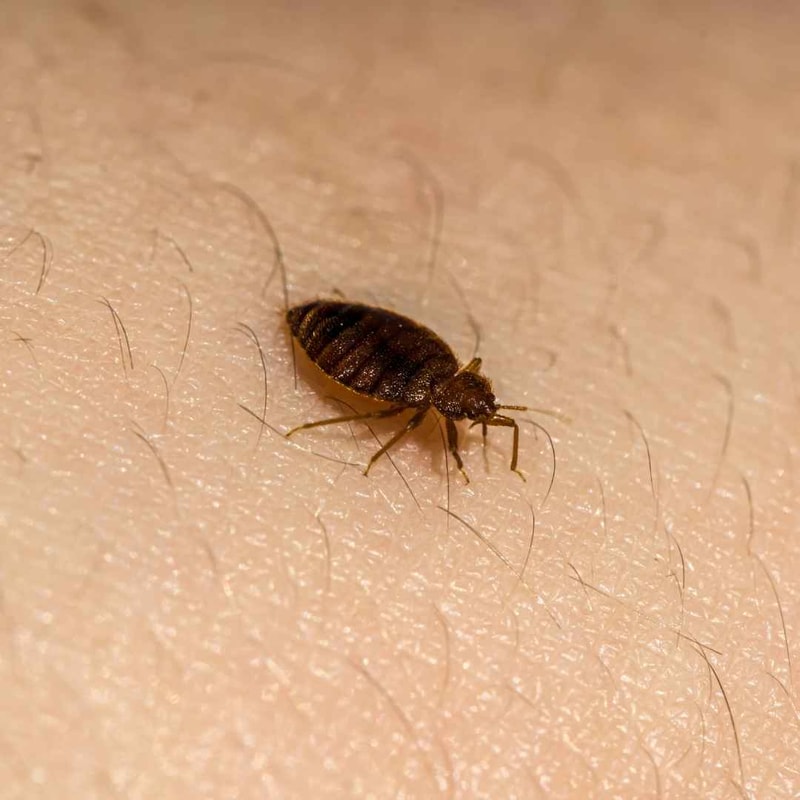
Around Hanover, PA, bed bugs are typically found in places where people sleep, rest, or spend extended periods of time, including homes, apartments, hotels, motels, nursing homes, and other residential or lodging facilities. Inside homes and apartments, bed bugs most commonly hide in mattress seams, box springs, bed frames, headboards, and cracks in nearby furniture. They may also be found behind baseboards, inside upholstered furniture, along carpet edges, and in small crevices near beds and couches. In Hanover and the surrounding York and Adams Counties, bed bugs can be introduced into homes through infested luggage, used furniture, secondhand mattresses, clothing, and other personal belongings. Hotels, apartment buildings, and other locations with frequent guest turnover or shared living spaces may be vulnerable to bed bug introductions because the insects can travel between rooms or units by hiding in belongings and furnishings. Although bed bugs are often associated with bedrooms, they can also infest living rooms, offices, and other areas where people regularly sit or rest. Bed bugs do not necessarily indicate poor housekeeping, as they can infest clean homes and well-maintained businesses just as easily as other properties. Because they are small, excellent at hiding, and capable of surviving for extended periods without feeding, bed bug infestations can go unnoticed until bites, dark fecal spots, shed skins, or live insects are discovered. Homeowners and business owners in Hanover, PA, who suspect a bed bug problem should arrange for a thorough inspection to confirm the infestation and determine the extent of the problem before choosing an appropriate treatment.