
Request A Quote For Bee Removal
Why Getting Rid Of Certain Bees Is Important
Getting rid of bees nesting in or around a structure in Hanover, PA, can be important for protecting people, preventing property damage, and reducing the risk of painful stings. Although bees are valuable pollinators that play an important role in the local environment, nests located near doorways, windows, decks, porches, garages, and other frequently used areas can create safety concerns for homeowners, families, pets, and visitors. The risk can be particularly serious for individuals with bee sting allergies, who may experience severe allergic reactions that require emergency medical attention. Certain bees, such as carpenter bees, can also cause property damage by boring into wooden siding, fascia boards, decks, porch railings, and other exposed wood to create nesting galleries. In Hanover and the surrounding areas, these problems can affect both residential and commercial properties, particularly where wooden structures, landscaping, and sheltered outdoor spaces provide suitable nesting locations. Some bee species may also establish nests inside wall cavities or other protected areas, making it difficult to determine the extent of the activity without a careful inspection. While not every bee nest needs to be removed, nests located near people or inside building structures may require professional attention to prevent recurring activity and address potential damage. Because bees are important to the environment, identifying the species before taking action is essential; honey bee colonies may be suitable for relocation by a qualified beekeeper, while other situations may require one of our pest management professionals experienced in bee and stinging insect control. Addressing a nest appropriately can help protect the structure, reduce the likelihood of accidental encounters, and allow residents and visitors to use their property more safely. If you suspect bees are nesting in your home or business in Hanover, PA, having the species identified and the nesting location inspected is the best first step towards determining the safest and most effective solution.
Bee Infestations
An infestation of bees can grow over several weeks to several months, depending on the species, the availability of food and nesting space, and the time of year. In Hanover, PA, bee activity generally increases during the spring and summer, when warmer temperatures encourage colonies to become more active and many species begin nesting or raising their young. Honey bee colonies can grow particularly quickly because a healthy, established colony may contain tens of thousands of bees during the active season. If a honey bee swarm establishes itself inside a wall cavity, attic, chimney, or another sheltered area of a building, the colony can continue expanding as the queen lays eggs and worker bees raise new generations. Carpenter bees behave differently because they do not form large social colonies; however, multiple females may bore nesting galleries into the same wooden structure, and repeated nesting over several seasons can increase the amount of damage to decks, siding, fascia boards, and porch railings. Bumble bee colonies are generally smaller and seasonal, but a nest can still become more active as the colony develops throughout the spring and summer. In Hanover and the surrounding areas, a nest near a doorway, walkway, or other frequently used part of a property can become an increasing safety concern as bee activity rises. The speed of growth depends heavily on the species, so seeing a few bees does not necessarily mean a large infestation is developing. However, repeated bee activity around the same opening, bees entering and exiting a wall or roof cavity, or increasing numbers around exposed wood may indicate an established nest. Addressing the problem early can help prevent a colony from becoming larger or additional nesting damage from developing. If you suspect bees are nesting inside or around your property, one of our certified professionals can identify the species, assess the extent of the activity, and customize an appropriate removal or relocation method.
Professional Bee Removal Services
Hiring one of our professional bee removal specialists in Hanover, PA, is safer and more effective than trying to remove a bee nest yourself. Bees can become defensive when their nest is disturbed, increasing the risk of multiple stings, particularly when a colony is located near a doorway, deck, attic, wall cavity, or another frequently used area. For individuals with bee sting allergies, even a single sting can cause a serious medical emergency. Our professional bee removal specialists have the training, protective equipment, and experience needed to identify the bee species, locate the nest, assess the risks, and determine the most appropriate course of action. Correct identification is especially important because different species require different treatment methods. For example, honey bee colonies may be suitable for relocation by an experienced beekeeper, while carpenter bees may require targeted control measures to prevent continued damage to wooden structures. Attempting to eliminate bees with store-bought sprays, insecticides, or other do-it-yourself methods may fail to address the entire nest and can sometimes make the situation worse by provoking defensive behavior or leaving honey, wax, and other nest materials inside walls. In some cases, abandoned honeycomb can attract other pests or contribute to odors and moisture-related problems if it is not properly addressed. Our professionals can also determine whether bees are entering through gaps in siding, rooflines, soffits, or other structural openings and recommend appropriate repairs to reduce the likelihood of future nesting. For homeowners and business owners in Hanover and the surrounding Pennsylvania communities, our professional assistance can help reduce the risk of stings, protect the property from avoidable damage, and ensure that the removal method is appropriate for the species involved. Because bees are important pollinators, our knowledgeable specialist will also determine whether relocation is a practical option rather than automatically recommending extermination. Hiring our professionals is particularly advisable when bees are nesting inside a building, the colony is large, the nest is difficult to reach, or bees are gathering near areas where people regularly walk or work. If you suspect a bee nest on your property, avoid disturbing or spraying it and contact us so one of our certified specialists can inspect the area and recommend a safe, effective solution.
Bees In Pennsylvania
Bumble Bees
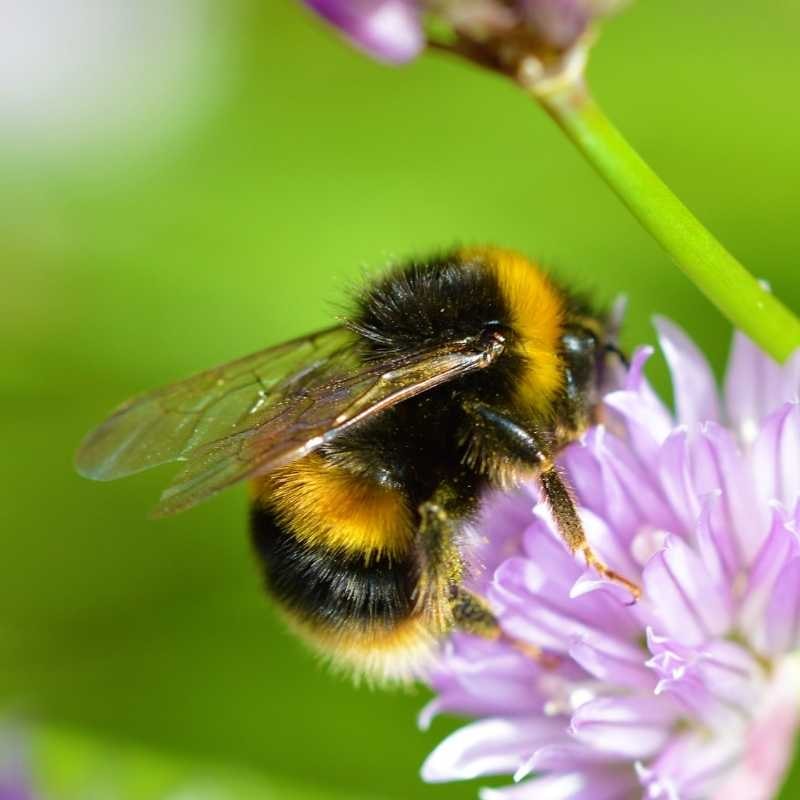
Around Hanover, PA, bumble bees are most commonly found in gardens, flower beds, yards, parks, meadows, and other areas where flowering plants provide nectar and pollen. These large, fuzzy bees are important pollinators and are generally most active during the spring, summer, and early fall when flowers are available. Around residential properties, bumble bees are often seen visiting flowering shrubs, clover, fruit trees, vegetable gardens, and ornamental plants. Their nests are typically established in sheltered locations at or near ground level, including abandoned rodent burrows, spaces beneath sheds and porches, cavities under tree roots, compost piles, and areas beneath thick vegetation. In Hanover and the surrounding countryside, properties with larger lawns, gardens, wooded edges, and nearby fields may provide particularly suitable nesting and foraging habitats. Bumble bees may occasionally nest in spaces beneath decks, within wall cavities, or in other protected areas around buildings, although they are more commonly associated with ground-level cavities. Unlike honey bees, bumble bees generally form smaller, seasonal colonies that develop during the warmer months and decline as temperatures drop in the fall. If you notice bumble bees repeatedly entering and exiting the same hole in the ground or opening beneath a structure, there may be a nest nearby. However, seeing bumble bees visiting flowers does not necessarily indicate an infestation, since they commonly travel between flowering plants while foraging. If a nest is located near a busy entrance, walkway, or play area, avoid disturbing it and consider contacting us so one of our certified, local bee removal specialists can determine whether intervention is necessary.
Carpenter Bees
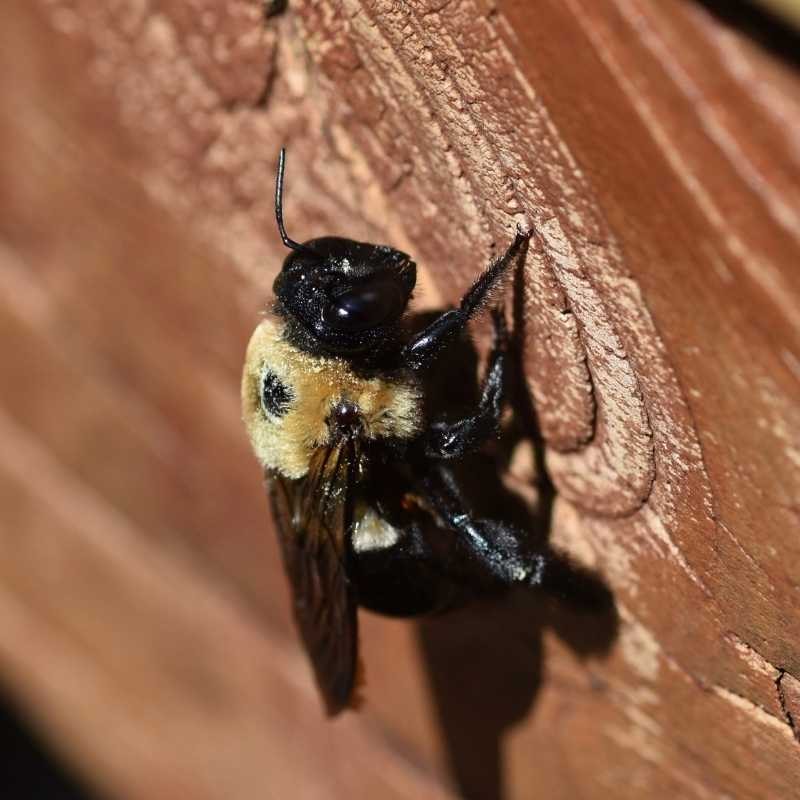
Around Hanover, PA, carpenter bees are most commonly found around wooden structures, including decks, porches, fences, pergolas, sheds, garages, and wooden siding. These bees prefer untreated, unpainted, weathered, or otherwise exposed softwood, where females bore nearly perfectly round entrance holes to create nesting galleries. Homeowners in Hanover and the surrounding York and Adams Counties may notice carpenter bees hovering around roof eaves, fascia boards, soffits, porch railings, window trim, and wooden outdoor furniture, particularly during the spring and early summer when adults emerge and begin nesting or reproducing. Properties with older wooden structures, shaded decks, and exposed timber may be especially attractive to carpenter bees if the wood is not properly sealed or maintained. Unlike termites, carpenter bees do not eat wood; instead, they excavate tunnels to provide sheltered spaces for their eggs and developing young. Repeated nesting in the same areas over several seasons can gradually increase the number of galleries and contribute to wood damage, especially when multiple generations reuse or expand existing tunnels. You may also notice small piles of sawdust-like material beneath nesting holes or yellowish stains on the wood from bee waste. Male carpenter bees often hover aggressively near people approaching their nesting areas, but males do not have stingers; females can sting, although they are generally not aggressive unless handled or threatened. If you notice large bees repeatedly hovering around wooden structures or round holes appearing in exposed lumber, carpenter bees may be nesting on your property. Inspecting these areas and maintaining painted or sealed wood can help reduce nesting opportunities; our professional pest control specialists can assess established activity and customize an appropriate treatment plan if these bees are causing damage.
Honey Bees
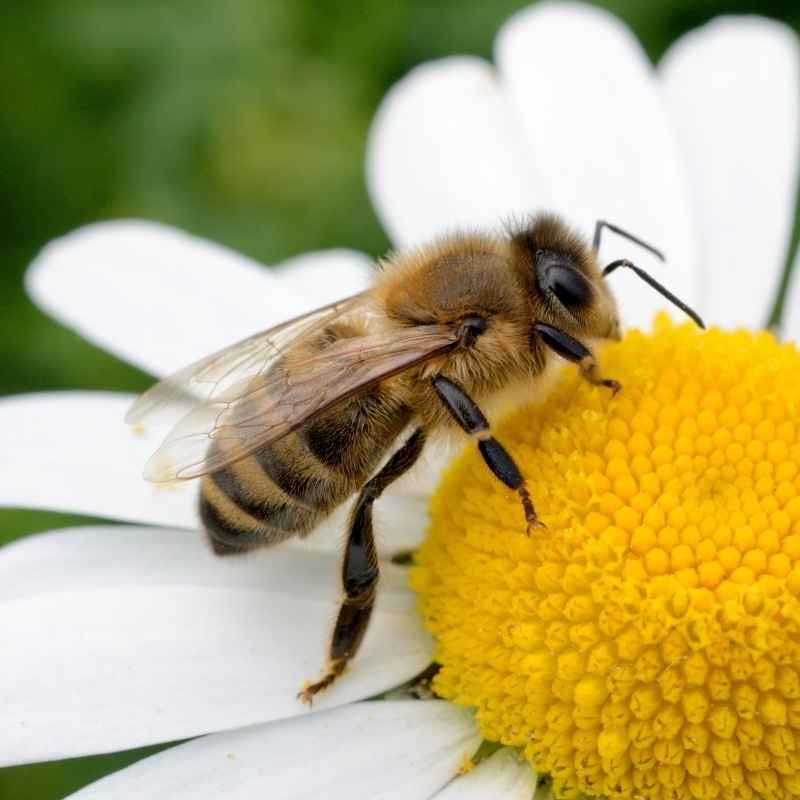
Around Hanover, PA, honey bees are most commonly found around flowering gardens, fruit trees, clover-covered lawns, meadows, and other areas where nectar and pollen are readily available. These important pollinators are also frequently seen near residential properties, farms, orchards, and community gardens throughout Hanover and the surrounding York and Adams Counties. Honey bees typically establish colonies inside protected cavities, such as hollow trees, tree trunks, and occasionally wall voids, attics, roof spaces, chimneys, and other sheltered areas of buildings. Homeowners may notice honey bees repeatedly entering and exiting a small opening in siding, beneath roof eaves, around soffits, or near gaps in a building's exterior, which can indicate that a colony has established itself inside the structure. Honey bees may also swarm in the spring and early summer when established colonies reproduce by dividing, and temporary clusters of bees may gather on tree branches, fences, shrubs, or other outdoor surfaces while scout bees search for a suitable permanent nesting location. Although a swarm can look alarming, swarming honey bees are often less defensive than bees protecting an established nest. If a honey bee colony establishes itself inside a wall or roof cavity, the bees may remain active for an extended period if the nest is not addressed. Over time, accumulated honeycomb and honey can create additional problems if the colony dies or is removed without properly addressing the nest materials. Because honey bees are valuable pollinators, relocation by a qualified beekeeper or one of our experienced live-bee removal specialists may be possible, depending on the colony's location and condition. If you notice a large number of bees repeatedly entering the same opening around your home or business in Hanover, PA, avoid sealing the opening or spraying the bees, as this can trap them inside the structure or provoke defensive behavior. Instead, have the species and nesting location assessed to determine the safest and most appropriate solution.
Leafcutter Bees
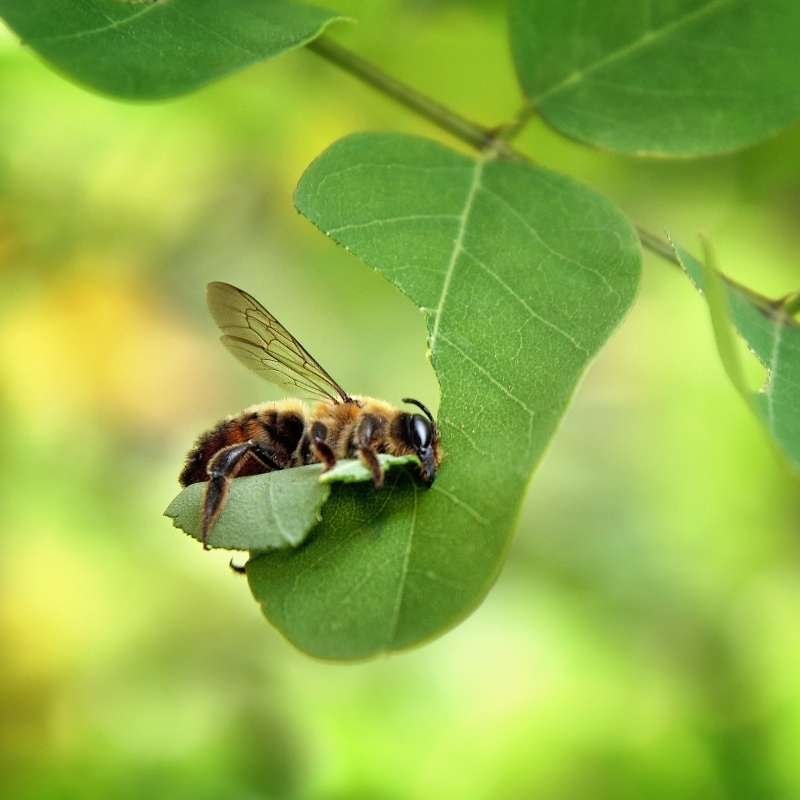
Around Hanover, PA, leafcutter bees are most commonly found in gardens, flower beds, meadows, orchards, and other areas where flowering plants provide nectar and pollen. These solitary bees are important pollinators and may be seen visiting clover, wildflowers, roses, and flowering shrubs throughout Hanover and the surrounding York and Adams Counties, particularly during the late spring and summer. Unlike honey bees and bumble bees, leafcutter bees do not establish large social colonies. Instead, individual females build their own nests in existing cavities, such as hollow plant stems, holes in dead wood, gaps in wooden structures, and narrow spaces in buildings. They may also nest in untreated lumber, or small openings in fences, sheds, and other outdoor structures. Leafcutter bees are especially recognizable by the distinctive, rounded pieces of leaves they cut from plants to line their nesting chambers. Homeowners in Hanover may notice semicircular cutouts along the edges of rose leaves or other ornamental plants, although this type of damage is usually minor and rarely threatens the health of established plants. Leafcutter bees may occasionally nest in sheltered openings around porches, decks, garages, and garden structures, but they are generally more interested in suitable nesting cavities and nearby flowering plants than in the buildings themselves. Because these bees are solitary and typically nonaggressive, their presence around a property does not usually require extermination. Females can sting if handled or trapped, but they generally avoid confrontation. If leafcutter bees are nesting in an inconvenient location, identifying the nesting site and considering a nonlethal relocation method is generally preferable to using insecticides. For property owners in Hanover, PA, understanding where these bees nest can help distinguish normal pollinator activity from a genuine pest concern and determine whether professional assistance is necessary.
Mason Bees
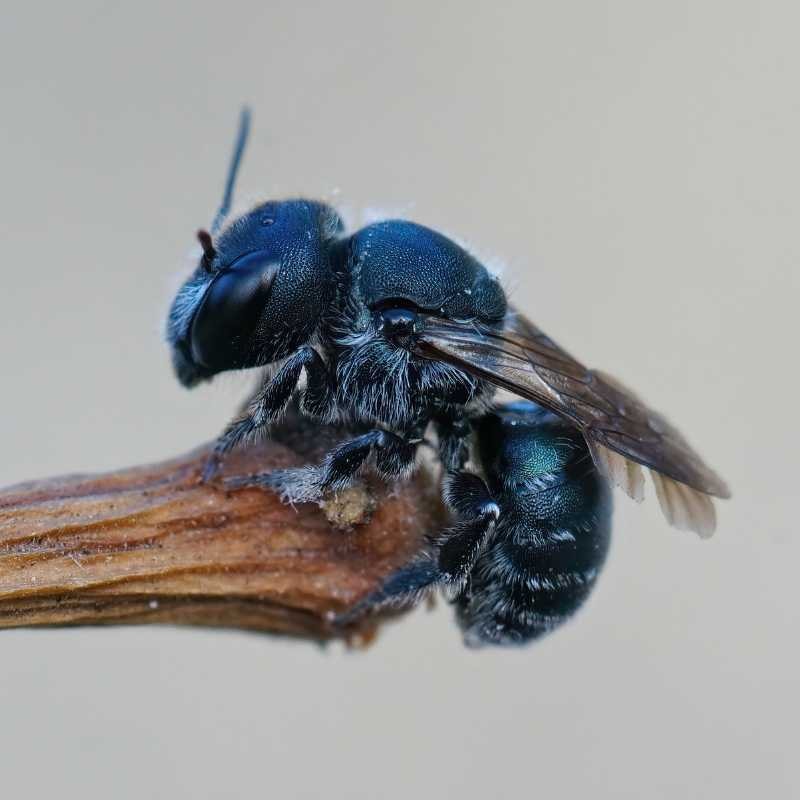
Around Hanover, PA, mason bees are most commonly found in gardens, orchards, parks, wooded areas, and residential landscapes where flowering plants and suitable nesting cavities are available. These solitary bees are important pollinators and are particularly active during the spring, when fruit trees, flowering shrubs, and other early-blooming plants provide nectar and pollen. Around homes and businesses in Hanover and the surrounding areas, mason bees may be found visiting apple trees, cherry trees, blueberries, wildflowers, and ornamental plants. Unlike honey bees and bumble bees, mason bees do not establish large colonies or build communal hives. Instead, individual females typically nest in existing narrow cavities, including hollow plant stems, holes in dead wood, gaps in tree trunks, and small openings in wooden structures. They may also use spaces in brickwork, masonry, or other building materials when suitable cavities are available. Homeowners may notice mason bees entering and exiting small holes in wooden fences, sheds, decks, or exterior walls, particularly during the spring nesting season. Female mason bees use mud to divide their nesting cavities into separate chambers, giving these bees their name. Although they may occasionally nest around buildings, mason bees generally do not damage structures because they do not excavate wood or chew through building materials to create their nests. They are typically docile and rarely sting unless handled or trapped. In Hanover, properties with flowering gardens, fruit trees, dead wood, and undisturbed nesting spaces can provide suitable habitat for these beneficial insects. Because mason bees contribute to pollination and usually pose little risk to people or buildings, their presence rarely requires extermination. If you find mason bees nesting in an inconvenient location, identifying the nesting site and considering a nonlethal relocation approach can help preserve their benefits while addressing any concerns about their proximity to frequently used areas.
Sweat Bees
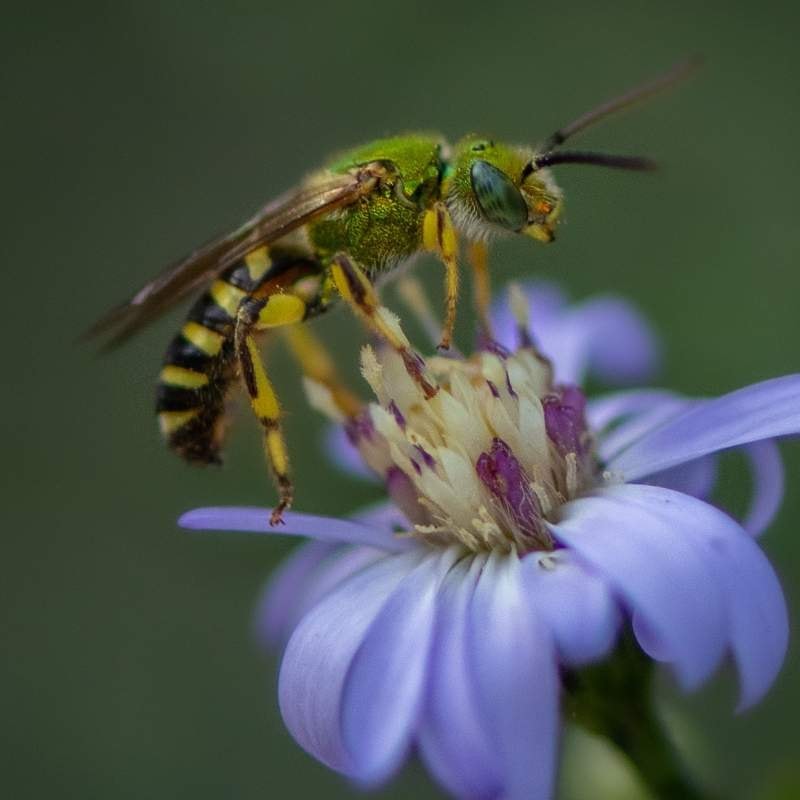
Around Hanover, PA, sweat bees are most commonly found in gardens, flower beds, lawns, meadows, parks, and other outdoor areas where flowering plants provide nectar and pollen. These small bees are common throughout Pennsylvania and are especially active during the spring, summer, and early fall. Around homes and businesses in Hanover and the surrounding areas, sweat bees may be seen visiting wildflowers, vegetable gardens, flowering shrubs, clover, and other plants that produce pollen and nectar. They are particularly noticeable during warm, sunny weather when they forage on flowers or land on exposed skin to collect moisture and salts from perspiration. Unlike honey bees, sweat bees generally do not form large colonies. Many species nest individually in small tunnels in bare or sparsely vegetated soil, while some species establish nests close together in suitable patches of ground. Homeowners may find them nesting in sunny garden beds, exposed soil along walkways, the edges of lawns, or areas with loose, well-drained earth. Some species also nest in decaying wood or other natural cavities. Because sweat bees are small and often solitary, their nesting activity is generally less noticeable than that of social bees such as honey bees or bumble bees. Although female sweat bees can sting when handled or threatened, they are usually nonaggressive and are not considered a major threat to people or property. Their nests typically do not cause structural damage, and their pollination activity benefits local gardens and landscapes. For property owners in Hanover, PA, the presence of sweat bees usually does not require professional removal unless their nesting locations create a specific concern. If large numbers are gathering around a frequently used walkway, patio, or outdoor seating area, identifying the nesting location and reducing unnecessary disturbance may help limit unwanted encounters while allowing these beneficial pollinators to remain in the environment.