
Request A Quote For Flea Control
Why Getting Rid Of Fleas Is Important
Getting rid of fleas is important because these pests can cause discomfort, spread throughout your home, and affect the health of both people and pets. Fleas feed on the blood of their hosts, and their bites can cause itching, redness, skin irritation, and allergic reactions. Pets may scratch, bite, or lick themselves excessively, potentially leading to hair loss, skin infections, and painful sores. In severe infestations, fleas can cause significant blood loss in young, small, or vulnerable animals, sometimes resulting in anemia. Fleas can also transmit certain diseases and parasites, including tapeworms, which pets can contract by swallowing infected fleas while grooming. Because fleas reproduce quickly, a small problem can develop into a much larger infestation if left untreated. Flea eggs, larvae, and pupae can hide in carpets, rugs, pet bedding, upholstered furniture, and cracks in flooring, making infestations difficult to eliminate without a thorough approach. Fleas may also bite people, particularly around the ankles and lower legs, causing persistent itching and irritation. Removing fleas promptly helps protect the health and comfort of your family and pets, prevents the infestation from spreading, and reduces the likelihood of recurring flea problems. If fleas have become established in your home, our professional pest control may be necessary to address the infestation effectively, especially when combined with appropriate veterinary flea treatment for household pets and thorough cleaning of affected areas.
Flea Infestations
Flea infestations can grow rapidly, sometimes developing from a few fleas into a widespread household problem within just a few weeks. A single female flea can lay approximately 20 to 50 eggs per day under favorable conditions, and those eggs can fall off pets and collect in carpets, rugs, pet bedding, upholstered furniture, and other areas where animals rest. Flea eggs typically hatch within a few days, and the larvae develop into pupae before emerging as adult fleas. Under favorable conditions, the entire life cycle can be completed in as little as two to three weeks, although it may take considerably longer depending on temperature, humidity, and access to a host. Flea pupae can also remain dormant in their protective cocoons for weeks or even months, allowing new adult fleas to emerge long after the initial infestation appears to be under control. This makes flea infestations particularly difficult to eliminate because killing the adult fleas on a pet or in a home does not necessarily remove the eggs, larvae, and pupae hidden throughout the environment. As the population grows, fleas can spread to multiple rooms, repeatedly bite household members and pets, and become increasingly difficult to manage with basic cleaning alone. Addressing a flea problem as soon as the first signs appear is important to prevent rapid population growth. Effective control typically requires treating affected pets with veterinarian-approved flea products, regularly vacuuming carpets and furniture, washing pet bedding, and using appropriate environmental treatments when necessary. Our professional exterminators can help identify flea hotspots and apply targeted treatments to affected areas, reducing the likelihood of a persistent or recurring infestation.
Professional Flea Control Services
Hiring our local, professional exterminators to get rid of fleas is more effective than trying to eliminate an infestation on your own because fleas reproduce quickly, hide in difficult-to-reach areas, and can survive for extended periods in different stages of their life cycle. While over-the-counter sprays, flea powders, and treatments for pets may kill adult fleas, they often do not eliminate flea eggs, larvae, and pupae hidden in carpets, upholstered furniture, floor cracks, and pet bedding. Our professional exterminators have the training and equipment to identify areas where fleas are most likely to develop and apply targeted treatments designed to control the infestation more thoroughly. Our experienced local pest control professionals can also assess the severity of the problem, recommend appropriate preparation and cleaning measures, and explain whether follow-up treatments may be necessary to address newly emerging fleas. This is particularly important because flea pupae can remain protected in their cocoons for weeks or longer before emerging as adults, allowing an infestation to return even after the visible fleas have been eliminated. Attempting to control fleas without understanding their life cycle can lead to repeated pesticide applications, unnecessary expenses, and prolonged discomfort for people and pets. Our professionals can also help you avoid common mistakes, such as using products incorrectly or relying on insect foggers that may not reach the areas where fleas hide. Because effective flea control often requires treating both the home environment and the animals living in it, it is important to coordinate our professional pest control with veterinarian-approved flea prevention and treatment for pets. Hiring our local exterminators saves time, reduces the frustration of recurring infestations, and provides a more systematic approach to eliminating fleas and preventing them from returning. If you are dealing with fleas in your home, our local pest control professionals can develop a targeted treatment plan.
Fleas In Pennsylvania
Cat Fleas
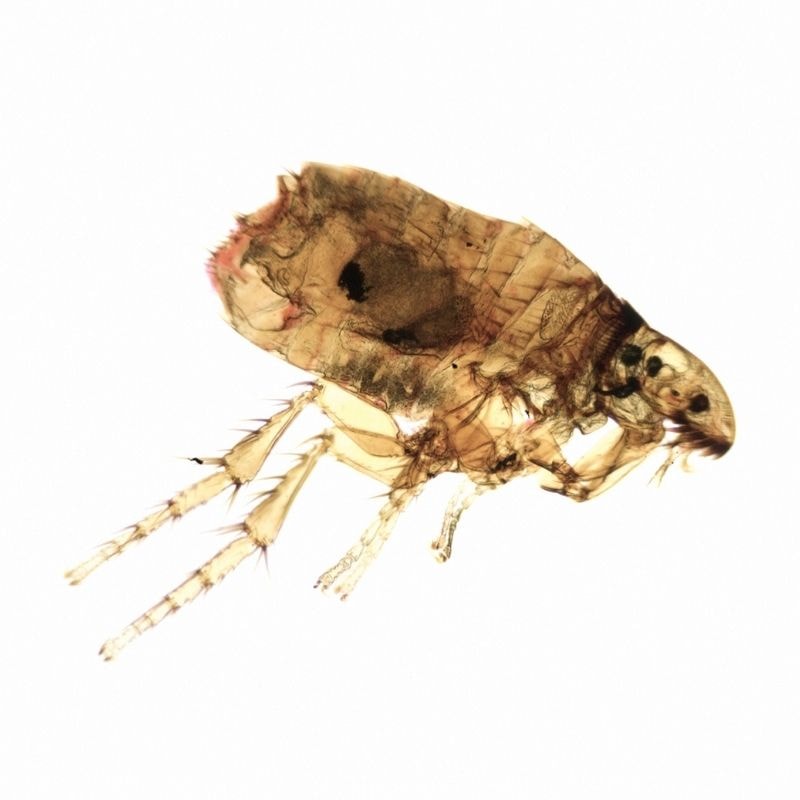
Around Hanover, PA, cat fleas (Ctenocephalides felis) are most commonly found in homes and properties where cats, dogs, and other potential animal hosts spend time. Despite their name, cat fleas are also the most common flea species found on dogs, making them a concern for many local pet owners. Inside Hanover homes, cat fleas are most likely to be found in carpets, rugs, upholstered furniture, pet beds, blankets, and areas where pets regularly sleep or rest. Flea eggs fall off animals and collect in these locations, where they hatch into larvae that hide in carpet fibers, furniture crevices, and other protected areas. Homes with untreated pets or recurring flea problems may develop infestations in multiple rooms, particularly bedrooms, living rooms, and basements where pets spend considerable time.
Outside, cat fleas are most likely to be encountered in shaded, protected areas around Hanover properties where cats, dogs, raccoons, opossums, and other mammals rest or travel. Common locations include covered porches, spaces beneath decks, crawl spaces, outdoor pet bedding, and sheltered areas beneath shrubs or near sheds. Fleas may also be present in yards frequented by stray cats or wildlife, especially where animals rest in shaded areas with suitable humidity. Although adult fleas generally remain on animal hosts, their eggs and immature stages can accumulate in the surrounding environment. In Hanover's residential neighborhoods, properties with frequent wildlife activity, outdoor cats, or pets that regularly move between indoors and outdoors may face a greater risk of flea introductions.
The likelihood of finding cat fleas in a particular Hanover home depends more on the presence of animal hosts and suitable resting areas than on the neighborhood itself. If you notice pets scratching frequently, small dark specks in their fur, or itchy bites around your ankles, cat fleas may be present. A flea comb can help identify adult fleas on pets, while careful inspection of pet bedding and frequently used resting areas can help reveal signs of an infestation. If fleas have spread throughout the home, our professional exterminators can identify likely breeding areas and recommend targeted treatment alongside appropriate veterinary care for household pets.
Dog Fleas
Around Hanover, PA, dog fleas (Ctenocephalides canis) are most likely to be found in areas where dogs and other animal hosts live, sleep, and spend time outdoors. Although dog fleas are named after dogs, they can also infest other mammals. However, it is important to know that cat fleas (Ctenocephalides felis) are much more common on dogs and cats in the United States than true dog fleas. In Hanover homes, fleas may be found in dog beds, blankets, carpets, rugs, upholstered furniture, and other areas where dogs regularly rest. Flea eggs can fall from an infested animal and collect in these locations, while flea larvae develop in protected areas containing organic debris. Infestations may be more noticeable in rooms where dogs spend much of their time, including living rooms, bedrooms, mudrooms, and basements. Homes where dogs have frequent contact with untreated animals or spend time in areas visited by wildlife may have a greater risk of flea introductions.
Outside the home, dog fleas may be encountered around Hanover properties where dogs and other potential animal hosts gather or rest. Common locations include shaded areas of yards, outdoor dog kennels, covered porches, spaces beneath decks, and sheltered areas near sheds or outbuildings. Fleas may also be introduced to residential properties through contact with infested animals, including stray dogs and wildlife. Shaded, protected resting areas can provide suitable conditions for flea development when temperature, humidity, and other environmental factors are favorable. However, fleas generally depend on animal hosts for blood meals, and their immature stages are more likely to develop in areas where infested animals regularly rest rather than being distributed evenly throughout a yard.
The likelihood of finding dog fleas at a particular property in Hanover depends primarily on the presence of infested animals and suitable conditions for flea development, rather than on a specific neighborhood. If your dog is scratching excessively, biting its skin, or developing irritated patches, fleas may be responsible, although other skin conditions can cause similar symptoms. A flea comb can help identify adult fleas, and small black specks in your dog's fur may be flea dirt, which consists of flea feces. If you suspect an infestation, have your veterinarian recommend an appropriate flea treatment and inspect your dog's bedding and frequently used resting areas. For persistent infestations, our professional exterminators can help locate environmental hotspots and recommend targeted treatments to eliminate fleas from the home.