
Request A Quote For Spider Control
Why Getting Rid Of Certain Spiders Is Important
Getting rid of spiders in your home or business is important for maintaining a clean, comfortable, and safe environment. Although most spiders found in Pennsylvania are not dangerous to humans, their presence can cause concern for people who are uncomfortable around them. Spiders often build webs in corners, basements, attics, garages, crawl spaces, closets, and other areas that receive little disturbance. These webs can collect dust and debris, making a property look neglected and creating additional cleaning responsibilities. While spiders help control other insects by feeding on flies, mosquitoes, and other small pests, a large number of spiders may indicate that other insects are present and providing a steady food source. Some species can also bite when they feel threatened, although bites are uncommon and most do not cause serious medical problems. In addition, certain spiders, such as the black widow, can pose a greater health risk, making proper identification important when they are discovered. Removing spiders, eliminating their webs and egg sacs, reducing other insect populations, and sealing cracks and gaps around a building can help prevent future spider problems. Taking these steps can make indoor spaces more comfortable and reduce the likelihood of recurring spider activity. If spiders continue to appear despite routine cleaning and preventive measures, contact our team to schedule a professional pest control inspection so we can help identify the source of the problem and determine the most effective treatment.
Spider Infestations
A spider infestation can grow over several weeks to a few months, depending on the spider species, environmental conditions, availability of prey, and access to suitable hiding places. Unlike many insects, spiders generally reproduce at a slower rate, but their populations can still increase significantly when conditions are favorable. Female spiders may produce one or more egg sacs, with some sacs containing dozens or even hundreds of eggs, depending on the species. When spiderlings hatch, many disperse to other locations, while others may remain around the property if food and shelter are readily available. Basements, attics, crawl spaces, garages, storage rooms, and other undisturbed areas can provide ideal conditions for spider populations to develop. A steady supply of flies, ants, mosquitoes, and other small insects can also encourage spiders to remain in an area and reproduce. In Hanover, Pennsylvania, spider activity may become more noticeable during warmer months when insects are abundant, while some spiders move indoors during the fall as temperatures begin to drop. Although finding a few spiders does not necessarily mean a property has an infestation, repeatedly discovering spiders, multiple egg sacs, numerous webs, or spiderlings may indicate a larger population nearby. Addressing the problem early by removing webs and egg sacs, reducing insect activity, sealing entry points, and eliminating clutter can help limit population growth. If spiders continue to appear in large numbers despite these efforts, our professional exterminators can identify the species, locate areas of concentrated activity, and recommend an appropriate treatment plan to help prevent the problem from returning.
Professional Spider Control Services
Hiring our local professional exterminators to get rid of spiders is more effective than trying to handle the problem on your own because our trained pest control technicians can identify the spider species, locate their hiding places, and determine what is attracting them to your property. Although store-bought sprays, traps, and routine cleaning may help reduce spider activity, these methods often fail to address the underlying causes of a spider problem, such as an abundance of insects, untreated egg sacs, or entry points around windows, doors, foundations, and utility openings. Our professional exterminators have the knowledge and equipment to inspect difficult-to-reach areas, including basements, attics, crawl spaces, garages, and wall voids, where spiders may hide and reproduce. Proper identification is especially important because, while most spiders found in Pennsylvania are relatively harmless, certain species can pose greater health concerns and require careful handling. Our local exterminators can also recommend targeted treatments based on the spider species and the conditions around your home or business, rather than relying on broad applications of pesticides that may be ineffective or unnecessary. In addition to treating existing spider activity, our professional technicians can identify contributing factors, such as excessive moisture, clutter, and other insect infestations, and recommend practical steps to help prevent spiders from returning. Working with our local pest control team can also provide the benefit of service tailored to the types of spiders and seasonal pest activity common in the area around Hanover PA. By addressing both the spiders and the conditions that allow them to thrive, our professional pest control services can help reduce recurring problems, save time, and provide greater peace of mind than repeated do-it-yourself treatments. If spiders continue to appear throughout your property or you discover numerous webs and egg sacs, contacting our team and scheduling a professional inspection is the best next step.
Spiders In Pennsylvania
American House Spiders
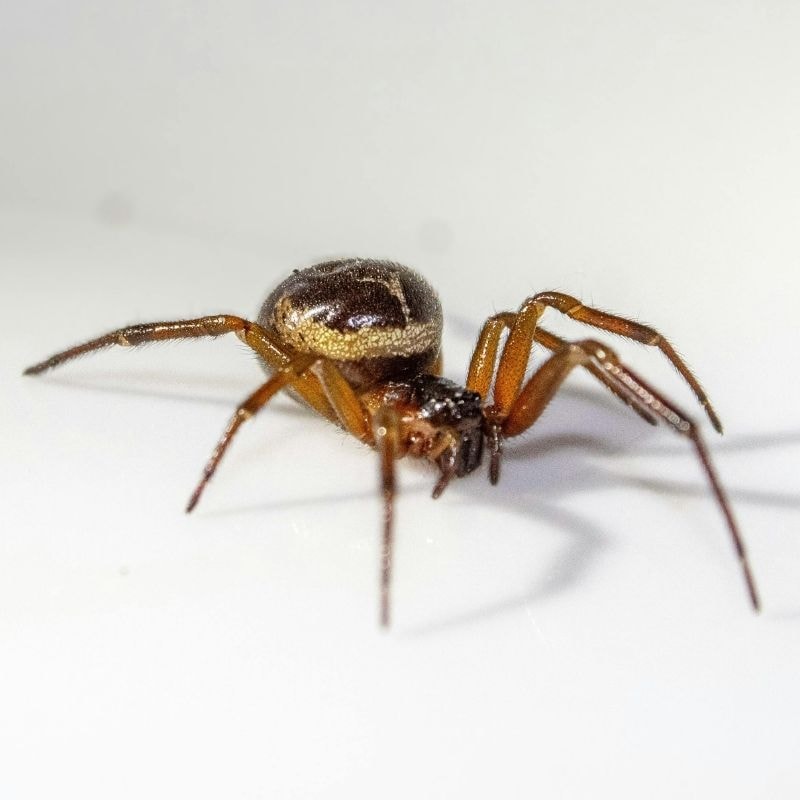
Around Hanover, Pennsylvania, American house spiders are most commonly found in quiet, undisturbed areas of homes and businesses where they can build webs and catch small insects. These spiders (Parasteatoda tepidariorum) frequently inhabit basements, attics, garages, crawl spaces, closets, and storage rooms, particularly in corners, along ceiling edges, and behind furniture or stored belongings. They often build irregular, tangled webs near windows, doorways, wall corners, and other areas where insects are likely to travel. In Hanover, American house spiders may also be found in sheds, barns, porches, and other outdoor structures that provide shelter from rain, wind, and temperature changes. They can establish webs around exterior light fixtures, window frames, eaves, and covered entryways, where insects attracted to artificial lighting provide a convenient food source. During colder months, these spiders may be more noticeable indoors because heated buildings offer protection from Pennsylvania's winter temperatures. American house spiders are generally not aggressive and rarely bite people, preferring to remain in their webs and retreat when disturbed. If you regularly find them in several areas of your property, reducing clutter, removing webs and egg sacs, limiting other insect activity, and sealing gaps around windows, doors, and the foundation can help discourage them from settling indoors.
Black Widow Spiders
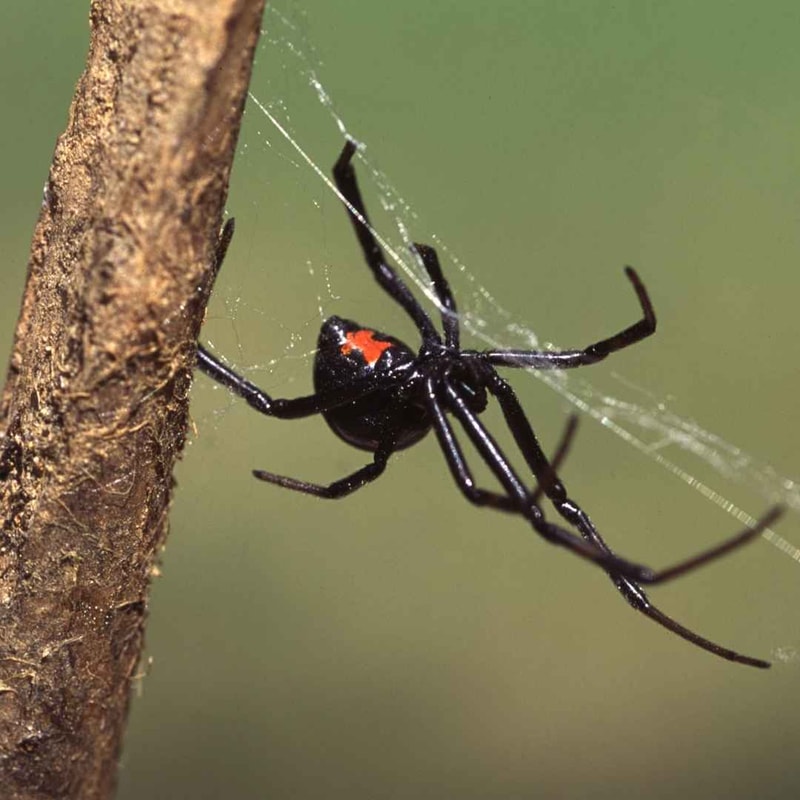
Around Hanover, Pennsylvania, black widow spiders are most likely to be found in dark, sheltered, undisturbed areas where they can build webs and avoid contact with people. Although black widows are not commonly encountered in most homes in Pennsylvania, they may occasionally be found in and around properties, particularly in locations that provide protection from weather and access to insects. Potential hiding places include basements, crawl spaces, garages, sheds, barns, and storage buildings. Outdoors, they may shelter beneath rocks, woodpiles, loose tree bark, discarded materials, and other debris, as well as inside gaps around foundations and beneath outdoor structures. They may also establish webs in seldom-used areas such as the undersides of patio furniture, outdoor storage containers, and cluttered corners of sheds or garages. Black widows typically prefer low, secluded locations and construct irregular webs close to the ground. In Hanover and the surrounding areas, residents should be particularly cautious when moving stored boxes, firewood, gardening equipment, or other items that have remained undisturbed for long periods. Black widows are generally not aggressive and usually bite only when threatened or accidentally pressed against the skin. However, their venom can cause significant symptoms, including severe muscle pain, abdominal cramping, sweating, and nausea, so they should not be handled directly. If you suspect that a black widow is present, avoid touching it or disturbing its web, and consider contacting a professional pest control company for identification and safe removal. Keeping storage areas organized, reducing outdoor debris, and wearing gloves when handling firewood or stored materials can also help reduce the likelihood of an encounter.
Brown Recluse Spiders
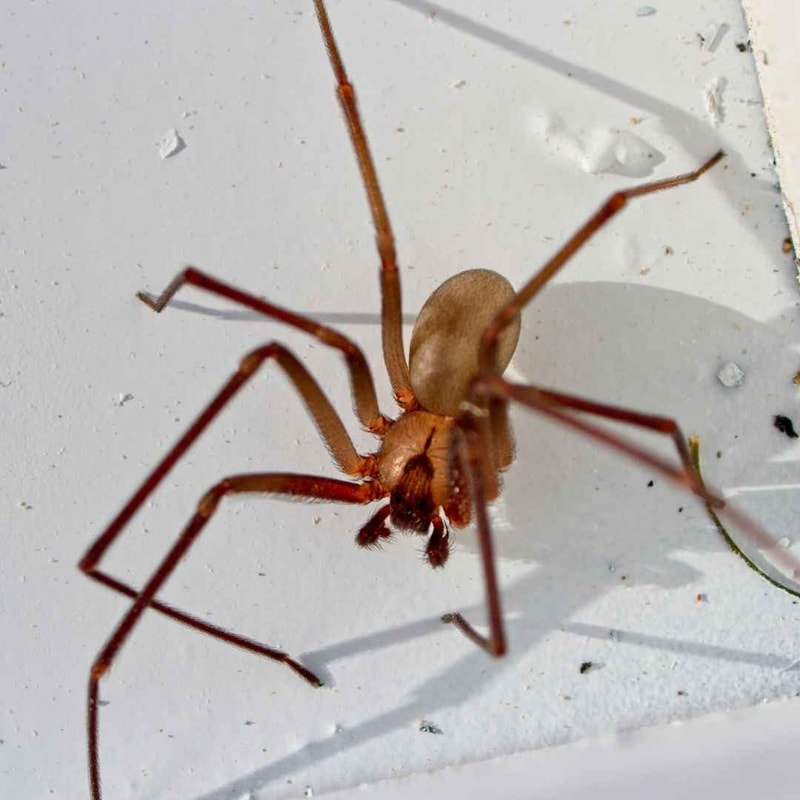
Around Hanover, Pennsylvania, brown recluse spiders are unlikely to be encountered because the area is outside their established native range, which is primarily in the central and south-central United States. However, brown recluse spiders can occasionally be transported into Pennsylvania in shipments, moving boxes, furniture, or other belongings originating from areas where they are more common. If one is accidentally introduced into a home or business in Hanover, it would most likely hide in quiet, undisturbed locations such as basements, attics, closets, storage rooms, garages, and crawl spaces. They may also shelter inside cardboard boxes, folded clothing, stored linens, shoes, and furniture that has remained untouched for long periods. Brown recluse spiders prefer dark, secluded spaces where they can remain hidden during the day and emerge at night to search for insects. Unlike many common house spiders, they do not typically rely on conspicuous webs in corners to catch prey, making their presence more difficult to detect. Because several harmless Pennsylvania spider species can resemble brown recluses, it is important not to assume that a brown spider found indoors is a brown recluse. If you suspect one is present, avoid handling it and consider having it identified by a qualified pest control professional. Keeping storage areas organized, reducing clutter, inspecting secondhand furniture and incoming boxes, and shaking out clothing or shoes that have been stored for long periods can help reduce the chance of an unexpected encounter.
Cellar Spiders
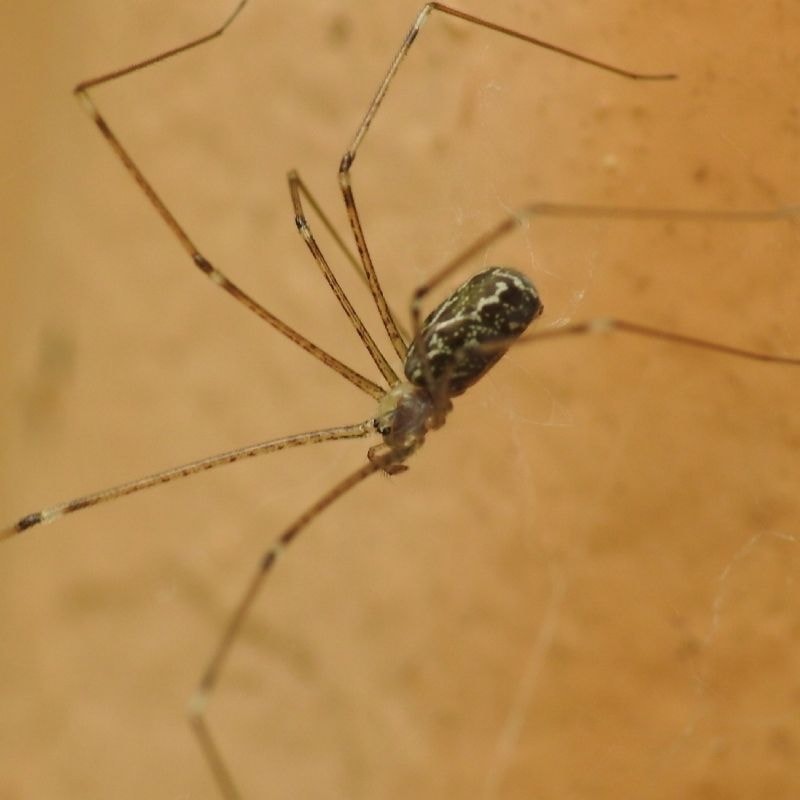
Around Hanover, Pennsylvania, cellar spiders are most commonly found in damp, quiet, and undisturbed areas of homes and businesses, particularly in basements, crawl spaces, garages, and utility rooms. These spiders, often recognized by their small bodies and exceptionally long, thin legs, prefer locations where they can build loose, irregular webs and catch small insects and other spiders. In residential properties throughout Hanover and the surrounding areas, cellar spiders may frequently be found in basement corners, along ceiling edges, beneath staircases, around water heaters, and near exposed pipes. They can also inhabit attics, closets, storage rooms, and sheds, especially where clutter and limited activity provide suitable hiding places. Although cellar spiders are often associated with damp environments, they can also survive in relatively dry indoor spaces as long as food and shelter are available. Outside the home, they may establish webs in protected areas such as porches, covered entryways, and outbuildings. Cellar spiders are generally harmless to humans and are not considered medically significant pests, but their webs can accumulate in large numbers and make a property appear untidy. Their presence may also indicate that other small insects or spiders are available as food. To discourage cellar spiders from settling indoors, property owners can regularly vacuum webs and egg sacs, reduce clutter, improve ventilation in damp areas, and seal cracks and gaps around windows, doors, and the foundation. If cellar spiders continue to appear in large numbers throughout a home or business, contact us for a professional pest control inspection. We can help identify the conditions contributing to their activity and determine the most appropriate way to manage the problem.
False Black Widow Spiders
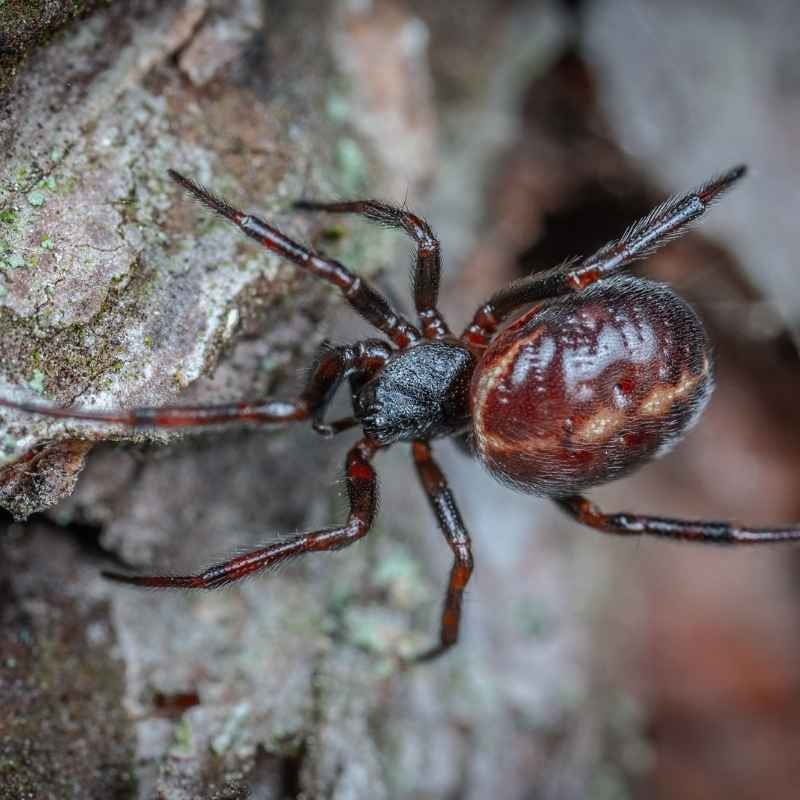
Around Hanover, Pennsylvania, false black widow spiders are most likely to be found in dark, sheltered, and undisturbed areas of homes and businesses where they can build webs and catch small insects. These spiders, which belong to the Steatoda genus, can resemble true black widows in body shape and color, but they generally lack the distinctive red hourglass marking found on the underside of a female black widow's abdomen. Inside homes throughout Hanover and the surrounding areas, false black widow spiders may inhabit basements, crawl spaces, garages, attics, and storage rooms, particularly in corners, beneath shelving, behind stored items, and around window frames. They may also establish webs in wall crevices, beneath cabinets, and in other secluded spaces that receive little disturbance. Outdoors, false black widow spiders can be found beneath loose tree bark, among firewood, under rocks, and around sheds, porches, and other structures that provide protection from weather. They often build irregular, tangled webs in sheltered gaps and crevices rather than in open areas. These spiders may occasionally enter buildings through cracks around doors, windows, foundations, and utility openings, especially when suitable shelter and prey are available. Although false black widow spiders are generally not aggressive, they may bite if trapped against the skin or handled, and a bite can cause localized pain and swelling. Their bites are not typically considered as medically serious as those of true black widow spiders, but medical advice is appropriate if significant or unusual symptoms develop. Property owners can reduce false black widow activity by removing webs, limiting clutter, managing other insect populations, and sealing potential entry points around the building. If you find several of these spiders or are unsure whether a spider is a false black widow or a potentially more medically significant species, our professional pest control technicians can help identify it and recommend appropriate treatment.
Fishing Spiders
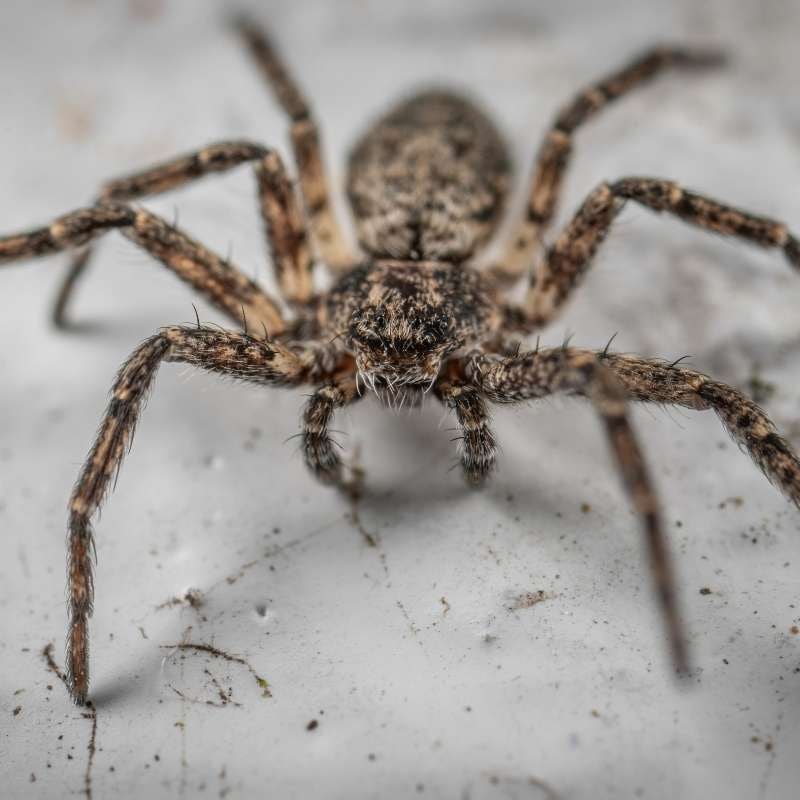
Around Hanover, Pennsylvania, fishing spiders are most commonly found in damp environments near water, including areas around ponds, streams, lakes, and other freshwater habitats. These large spiders, particularly species in the Dolomedes genus, are well adapted to living near water, where they hunt insects and other small animals along shorelines and vegetation. In and around Hanover, fishing spiders may be encountered near local ponds, wooded streams, wetlands, and properties with water features. They often hide beneath rocks, fallen logs, loose tree bark, and vegetation near the water's edge, where they can remain sheltered while waiting for prey. Fishing spiders can also occasionally enter homes and businesses, particularly buildings located near wooded areas, streams, or other moist habitats. When they do enter structures, they are most likely to be found in basements, garages, sheds, crawl spaces, and other ground-level areas that provide cool, sheltered hiding places. They may also appear around swimming pools, outdoor faucets, woodpiles, and landscaping near buildings. Although fishing spiders are capable of entering homes, they generally prefer outdoor environments and do not typically establish the same kinds of indoor infestations associated with certain household pests. Despite their large size and sometimes intimidating appearance, fishing spiders are generally not aggressive and usually avoid people. They can bite if handled or trapped against the skin, but bites are uncommon. To reduce encounters around your property, keep firewood and debris away from exterior walls, seal gaps around doors and windows, and reduce excessive moisture in basements and crawl spaces. If fishing spiders repeatedly appear indoors, our local pest control professionals can inspect the property, identify potential entry points, and recommend appropriate prevention measures.
Grass Spiders
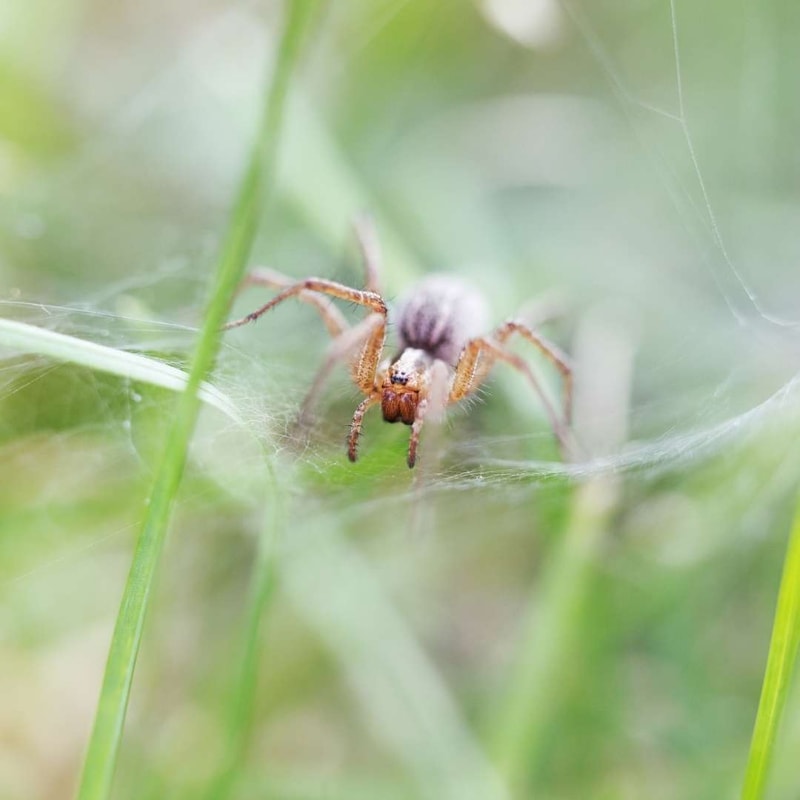
Around Hanover, Pennsylvania, grass spiders are most commonly found outdoors in lawns, gardens, landscaped areas, and along the edges of wooded properties where grass and other vegetation provide shelter and access to prey. These spiders, which belong to the Agelenopsis genus, are known for building funnel-shaped webs in dense grass, groundcover, shrubs, and low-growing plants. Around residential and commercial properties in Hanover, grass spiders may be found along foundation plantings, beneath bushes, around fences, and in overgrown sections of yards where vegetation remains undisturbed. They also commonly build webs beneath decks, around sheds, near retaining walls, and in spaces between rocks or other landscaping materials. Their webs typically feature a broad, flat sheet of silk that leads into a narrow funnel where the spider hides and waits for insects to become trapped. Although grass spiders generally prefer outdoor environments, they may occasionally enter homes and businesses through gaps around doors, windows, foundations, and other openings. When found indoors, they are most likely to appear in basements, garages, crawl spaces, and other ground-level areas, especially when these locations provide access to insects. In Hanover and the surrounding areas, grass spider activity is often more noticeable during the warmer months, when insects are abundant and outdoor vegetation provides favorable conditions. These spiders are generally harmless to humans and tend to retreat rather than confront people. To reduce their presence near buildings, property owners can trim overgrown vegetation, remove accumulated debris, maintain a reasonable distance between shrubs and exterior walls, and seal cracks and gaps around potential entry points. If grass spiders repeatedly appear indoors or large numbers of webs develop around a property, our professional pest control technicians can help determine whether treatment or additional preventative measures are necessary.
Jumping Spiders
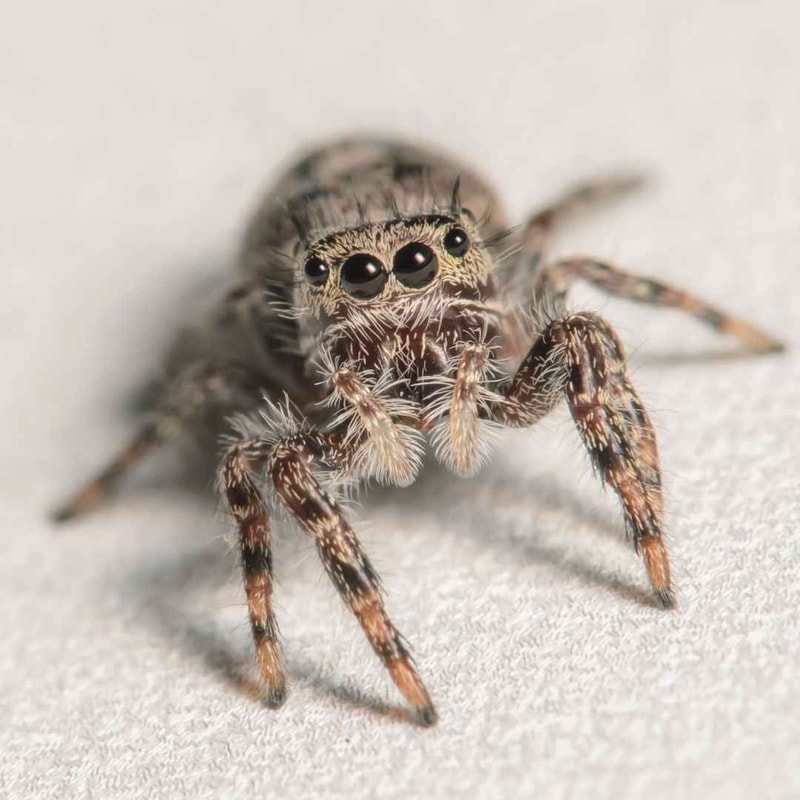
Around Hanover, Pennsylvania, jumping spiders are most commonly found in sunny outdoor areas around homes, businesses, gardens, and other structures where insects are readily available for food. These small, quick-moving spiders belong to the Salticidae family and are recognizable by their compact bodies, relatively short legs, and noticeable ability to jump when pursuing prey or escaping danger. Around residential and commercial properties in Hanover, jumping spiders frequently appear on exterior walls, window frames, porch railings, fences, decks, and outdoor furniture, where they hunt flies, gnats, and other small insects. They may also be found in gardens, shrubs, landscaping, and along the edges of wooded areas, particularly in places that receive plenty of sunlight. Unlike many other spiders, jumping spiders do not rely on large webs to capture prey. Instead, they actively hunt insects during the day and use small silk retreats for shelter, molting, and protecting their eggs. These retreats may be located in cracks around window frames, beneath siding, under eaves, or in small crevices around outdoor structures. Jumping spiders occasionally enter homes and businesses through open doors, windows, and small gaps in exterior walls. When found indoors, they are most likely to appear near windows, on walls, around houseplants, and in other well-lit areas where insects may gather. Their activity in Hanover is generally more noticeable during the warmer months, when outdoor insects are abundant. Although their sudden movements can surprise people, jumping spiders are generally harmless, nonaggressive, and unlikely to bite unless handled or threatened. To reduce their presence indoors, property owners can install or repair window screens, seal gaps around doors and windows, reduce insect activity near entrances, and remove small silk retreats when they appear. Because jumping spiders typically occur as individual hunters rather than in large indoor colonies, finding one or two does not usually indicate an infestation. If you notice unusually high numbers of spiders throughout your home or business, our local pest control professionals can inspect the property and help identify the conditions attracting them.
Triangulate Cobweb Spiders
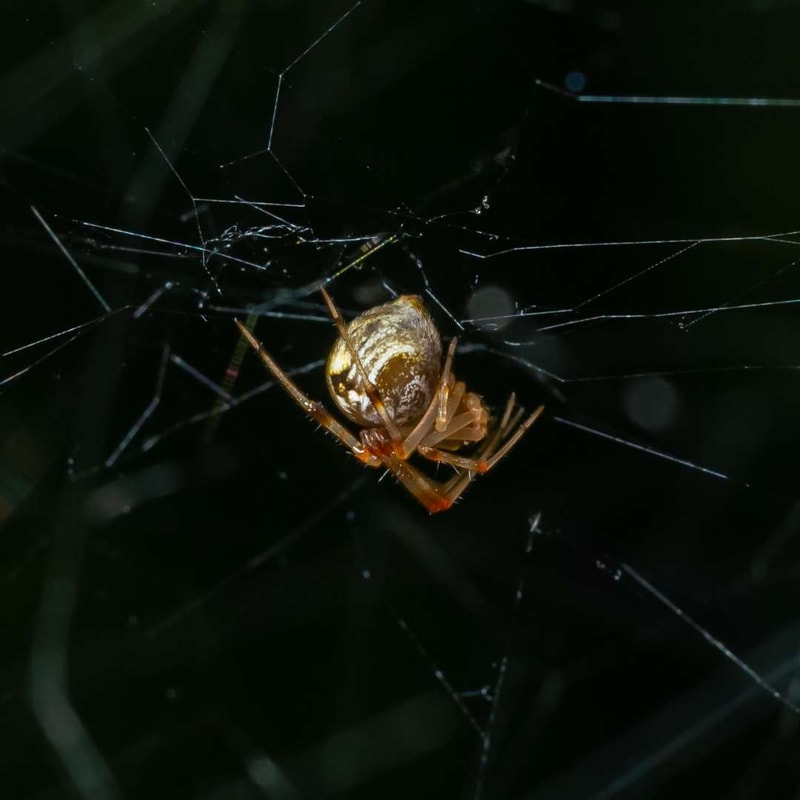
Around Hanover, Pennsylvania, triangulate cobweb spiders are most commonly found in quiet, sheltered areas of homes, garages, basements, and other buildings where they can build irregular webs and catch small insects. These spiders, scientifically known as Steatoda triangulosa, are small cobweb spiders named for the distinctive triangular markings that often appear along their abdomens. Inside homes and businesses throughout Hanover and the surrounding areas, they may be found in basement corners, beneath staircases, behind furniture, inside closets, and around storage shelves. They often build webs along baseboards, near ceiling corners, beneath cabinets, and in other undisturbed spaces where insects are likely to travel. Triangulate cobweb spiders may also inhabit garages, crawl spaces, attics, and utility rooms, particularly where clutter provides sheltered places for their webs. Outdoors, they can sometimes be found beneath porches, around window frames, in sheds, and in protected crevices around building foundations. These spiders generally prefer areas that provide shelter and a steady supply of small insects, rather than open spaces exposed to wind and weather. In Hanover, their presence may become more noticeable indoors when temperatures drop during the fall and winter, although they can be found in buildings throughout the year. Triangulate cobweb spiders are generally considered low-risk to humans and rarely bite. However, their webs can accumulate in neglected areas and may become a nuisance when several spiders establish themselves in the same building. Property owners can reduce their activity by regularly vacuuming webs and egg sacs, removing clutter, managing other insect populations, and sealing cracks around windows, doors, and foundations. If these spiders continue appearing in large numbers, our professional pest control technicians can inspect the property, identify the conditions supporting their population, and recommend an appropriate treatment and prevention plan.
Wolf Spiders
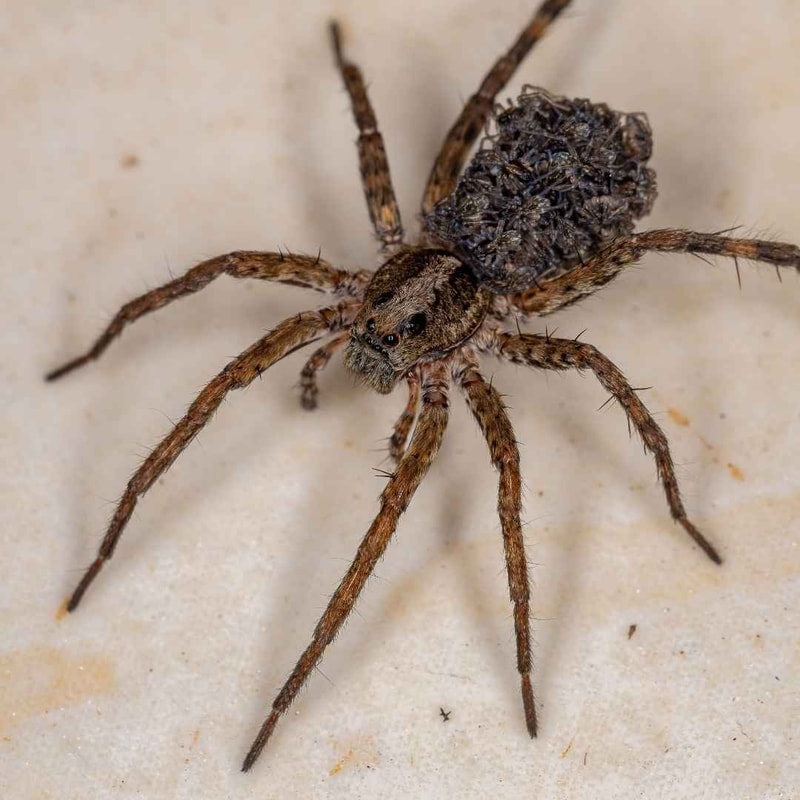
Around Hanover, Pennsylvania, wolf spiders are most commonly found outdoors in gardens, lawns, wooded areas, and other locations where they can hunt insects and find shelter close to the ground. These large, fast-moving spiders belong to the Lycosidae family and are different from many other spiders because they actively hunt their prey rather than relying on webs to capture it. Around homes and businesses in Hanover and the surrounding areas, wolf spiders may be found beneath rocks, fallen logs, leaf litter, mulch, firewood piles, and outdoor debris. They also frequently inhabit garden beds, tall grass, spaces beneath shrubs, and areas along the edges of wooded properties, where insects provide a reliable food source. Some wolf spider species dig shallow burrows or use existing crevices in the soil for shelter. Although wolf spiders generally prefer outdoor environments, they occasionally enter homes and commercial buildings, particularly during the fall when temperatures begin to drop. When they enter a structure, they are most likely to be found in basements, garages, crawl spaces, storage rooms, and other ground-level areas where they can hide beneath boxes, furniture, or stored belongings. In Hanover, wolf spider activity is often more noticeable during warmer months, when outdoor insect populations are active, and in autumn, when spiders may wander indoors. Despite their intimidating size and quick movements, wolf spiders are generally not aggressive toward people and usually attempt to escape when disturbed. They can bite if handled or trapped against the skin, but bites are uncommon. To reduce wolf spider activity around a property, homeowners can remove leaf litter and unnecessary debris, keep firewood away from exterior walls, trim vegetation near the foundation, reduce insect populations, and seal gaps around doors, windows, and other potential entry points. If wolf spiders repeatedly appear indoors or their presence becomes difficult to manage, our professional pest control technicians can inspect the property, identify contributing conditions, and recommend appropriate treatment and prevention measures.
Woodlouse Hunter Spiders
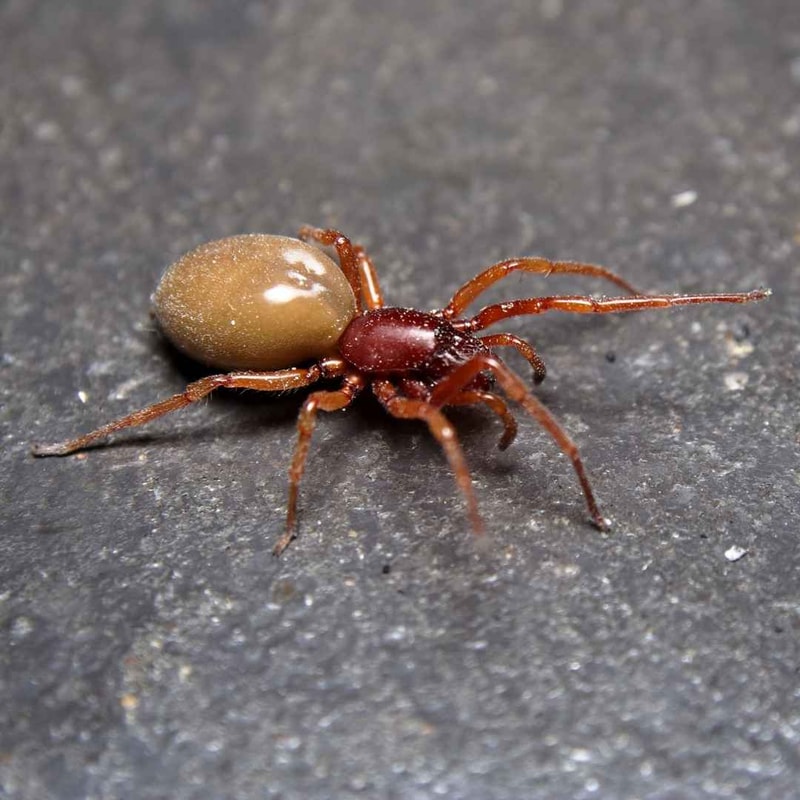
Around Hanover, Pennsylvania, woodlouse hunter spiders are most commonly found in damp, sheltered areas around homes, businesses, gardens, and other properties where woodlice, also known as pill bugs or sow bugs, are abundant. These spiders, scientifically known as Dysdera crocata, are recognizable by their reddish-orange legs and front body section, pale grayish or tan abdomen, and prominent jaws adapted for catching woodlice. Around Hanover and the surrounding areas, woodlouse hunter spiders are frequently found beneath rocks, logs, flowerpots, mulch, leaf litter, and piles of damp firewood. They may also hide beneath landscaping materials, along foundation walls, and in moist spaces around sheds, patios, and garden beds. Because woodlice thrive in damp environments and feed on decaying organic matter, areas with excessive moisture and accumulated debris can attract both the prey and the spiders that hunt them. Woodlouse hunter spiders occasionally enter homes and businesses, particularly through gaps around doors, windows, foundations, and other ground-level openings. When found indoors, they are most likely to be hiding in basements, crawl spaces, garages, utility rooms, and other areas where moisture and insects are present. In Hanover, their activity may be more noticeable during warmer months and periods of wet weather, when suitable outdoor habitats are readily available. Although woodlouse hunter spiders may look intimidating because of their large jaws, they are generally not aggressive toward people and usually bite only when handled or threatened. Their bites can cause localized pain and irritation, but serious effects are uncommon. To reduce their presence around your property, remove excess leaf litter and damp debris, keep firewood elevated and away from the foundation, improve drainage around the building, and seal cracks and gaps that may allow spiders to enter. If you repeatedly find woodlouse hunter spiders indoors, our local pest control professionals can inspect the property, identify moisture problems and potential entry points, and recommend appropriate measures to reduce their activity.
Yellow Sac Spiders
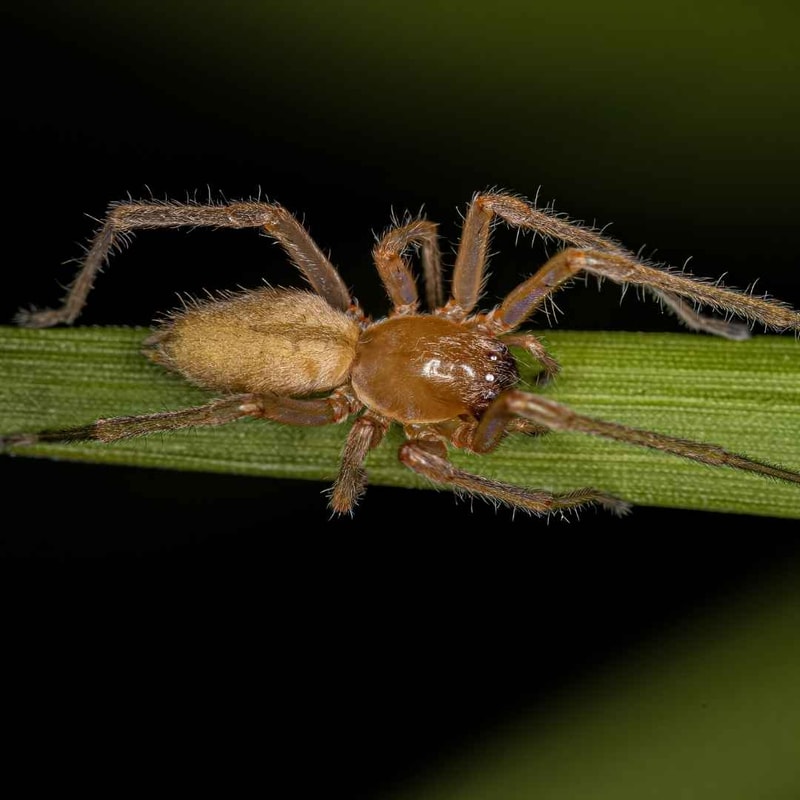
Around Hanover, Pennsylvania, yellow sac spiders are most commonly found in homes, businesses, gardens, and other areas where they can find shelter and hunt small insects. These spiders, which belong to the Cheiracanthium genus, are typically pale yellow or cream-colored and have relatively long legs and a light-colored abdomen. Unlike many common house spiders, yellow sac spiders do not build large webs to catch prey. Instead, they actively hunt insects at night and construct small, silken retreats where they hide during the day. Inside homes and commercial buildings throughout Hanover and the surrounding areas, yellow sac spiders may be found along ceilings, in wall corners, behind pictures, around window frames, and near doorways. They often create silken retreats where walls meet ceilings or behind furniture and stored belongings. Bedrooms, closets, kitchens, and living rooms can also provide suitable hiding places, particularly near windows and other areas where insects gather. Outdoors, yellow sac spiders may be found among shrubs, tall grass, garden plants, leaf litter, and beneath the leaves of vegetation around residential and commercial properties. They may also shelter beneath siding, around window shutters, and under the eaves of buildings. In Hanover, their activity may become more noticeable during warmer months, when insects are abundant, although they can remain active indoors throughout the year. Yellow sac spiders occasionally bite when trapped against a person's skin, such as when someone puts on clothing or bedding where a spider is hiding. Although their bites can cause localized pain, redness, and swelling, serious complications are uncommon. To reduce yellow sac spider activity, property owners can seal gaps around windows and doors, repair damaged screens, reduce insect populations near entrances, and remove clutter that provides hiding places. Regularly inspecting bedding, clothing, and stored items can also help reduce unexpected encounters. If yellow sac spiders repeatedly appear throughout a home or business, our professional pest control technicians can inspect the property, identify likely entry points and hiding places, and recommend appropriate treatment and prevention measures.