Request A Termite Inspection
Request A Quote For Termite Control
Why Getting Rid Of Termites Is Important
Getting rid of termites is important for homeowners and business owners in Hanover, PA, because these wood-destroying pests can cause extensive structural damage if they are allowed to remain active for too long. Termites feed on cellulose, a material found in wood and other plant-based products, which means they can damage wooden support beams, floor joists, wall studs, subfloors, window frames, door frames, and other important parts of a building. In Hanover and the surrounding areas of York and Adams Counties, subterranean termites are a particular concern because they live in soil and can enter buildings through foundations, cracks, and other small openings while searching for wood and moisture. Since termites often feed inside wood or behind walls, an infestation can go unnoticed until significant damage has already occurred. Over time, their activity can weaken wooden structures, cause floors to sag, damage walls, and create expensive repair bills. Termite damage can also reduce a property's value and complicate a future sale if the problem is discovered during an inspection. In addition to structural concerns, termite infestations can damage wooden furniture, cabinets, and other cellulose-based materials inside a home or business. Prompt termite control helps stop active colonies from causing further damage and reduces the risk of costly repairs. Homeowners should watch for warning signs such as discarded wings near windows, mud tubes along foundations, hollow-sounding wood, and wood that appears damaged or blistered. Because termites can remain hidden for long periods, our professional inspections and termite treatments are the most reliable ways to identify an infestation, determine its extent, and protect a property from continued damage.
Termite Infestations
A termite infestation can grow significantly over several months to a few years, depending on the termite species, colony size, environmental conditions, and availability of food and moisture. Around Hanover, PA, subterranean termites are a particular concern because they can establish colonies in the soil and gradually spread into homes and businesses in search of wood. A mature subterranean termite colony may contain tens of thousands to several hundred thousand termites, and some colonies can grow even larger over time. Although a newly established colony generally takes several years to mature, an existing colony near a building can already contain enough termites to cause damage soon after they gain access to wooden structures. Termites feed continuously, often working out of sight inside walls, beneath floors, and within structural wood, which allows an infestation to progress without obvious warning signs. Depending on the size and activity of the colony, the condition of the wood, and the building's moisture levels, noticeable structural damage may develop over months or accumulate over several years. Warm, damp conditions and easy access to wood can encourage termite activity, while moisture problems around foundations, leaking pipes, and poor drainage may make a property more attractive to these pests. Because termites can remain hidden until their damage becomes extensive, homeowners and business owners in Hanover should not wait until they see visibly damaged wood to take action. Signs such as mud tubes along foundation walls, discarded termite wings near windows, bubbling paint, and wood that sounds hollow when tapped may indicate an infestation. Our professional inspections and treatments can help identify termite activity, eliminate and control the colony, and reduce the risk of expensive structural repairs.
Professional Termite Control Services
Hiring our local termite exterminators in Hanover, PA, is a better choice than trying to eliminate termites yourself because these pests can cause serious structural damage while remaining hidden inside walls, floors, foundations, and wooden support beams. Our professional termite exterminators have the training and equipment needed to identify termite species, locate active infestations, determine how far the damage has spread, and select an appropriate treatment method. Although do-it-yourself products may kill individual termites that come into contact with them, they often fail to eliminate the entire colony or address the underlying source of the infestation. Subterranean termites, a major concern in Pennsylvania, typically live in underground colonies and enter buildings through small cracks and other openings in foundations. Effectively controlling them may require specialized soil treatments, strategically placed bait systems, or other professional methods designed to target the colony and prevent further activity. Our local termite exterminators also understand the environmental conditions and common construction features in the Hanover area that can contribute to termite problems, helping them identify potential entry points and conditions that make a property vulnerable. Our professional inspections can reveal hidden termite activity before it causes extensive damage, potentially saving homeowners and business owners thousands of dollars in structural repairs. In addition, our experienced exterminators can recommend preventative measures, such as correcting moisture problems, improving drainage, reducing wood-to-soil contact, and sealing potential entry points. Termite treatments must be selected and applied carefully because some products require specialized equipment and strict adherence to label directions to be effective and safe. Our professionals also provide follow-up inspections and monitoring to help determine whether treatment has worked and whether termite activity returns. Because termite infestations can remain undetected for long periods and continue damaging a property over time, hiring our certified local professionals is a more reliable approach than relying on store-bought products or attempting treatment without specialized knowledge. If you suspect termites in your Hanover property, contact us for a professional termite inspection. We will identify the problem, assess any damage, and customize an appropriate treatment plan.
Termites In Pennsylvania
Subterranean Termites
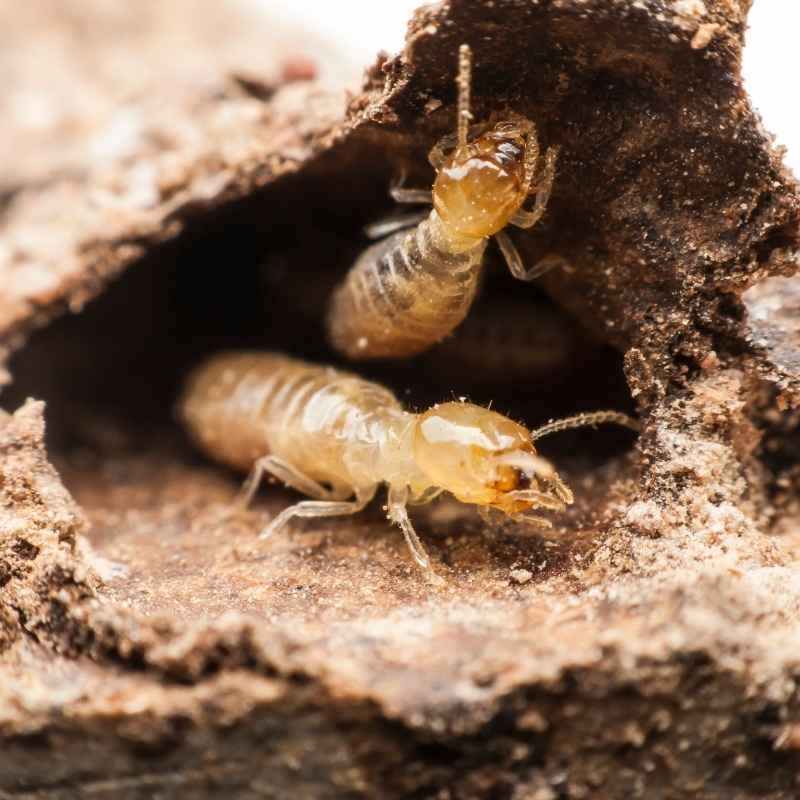
Around Hanover, PA, subterranean termites are most likely to be found in the soil around homes and businesses, particularly in areas with moisture, shade, and easy access to wood. These termites live in underground colonies and enter buildings while searching for cellulose, which is found in wood and other plant-based materials. Around Hanover and the surrounding York and Adams County communities, homeowners may be more likely to encounter subterranean termites near foundations, crawl spaces, basements, wooden porches, decks, and other areas where wood comes into direct contact with soil. Termites can also enter through small cracks in concrete foundations, gaps around utility pipes, and expansion joints, often remaining hidden as they feed on structural wood. One of the most common places to find evidence of subterranean termites is along foundation walls, where they build narrow mud tubes from soil particles, saliva, and other materials to protect themselves from dry air while traveling between their colony and a food source. Outside, they may be active beneath mulch, leaf litter, landscaping timbers, tree stumps, fallen branches, and piles of firewood, especially when these materials remain damp. Properties with poor drainage, leaking outdoor faucets, clogged gutters, or persistent moisture around foundations may provide especially favorable conditions for termite activity. Subterranean termites can also be present beneath concrete patios, driveways, and sidewalks before finding small openings that allow them to reach a building. Because they typically avoid exposure to open air and sunlight, you may not see the termites themselves even when a colony is actively feeding nearby. Instead, you may notice mud tubes, discarded wings near windows and doors, bubbling paint, or wood that sounds hollow when tapped. If you notice these warning signs at your Hanover property, our professional termite inspections can help determine whether subterranean termites are present, identify their entry points, and establish the appropriate treatment before additional structural damage occurs.
Drywood Termites
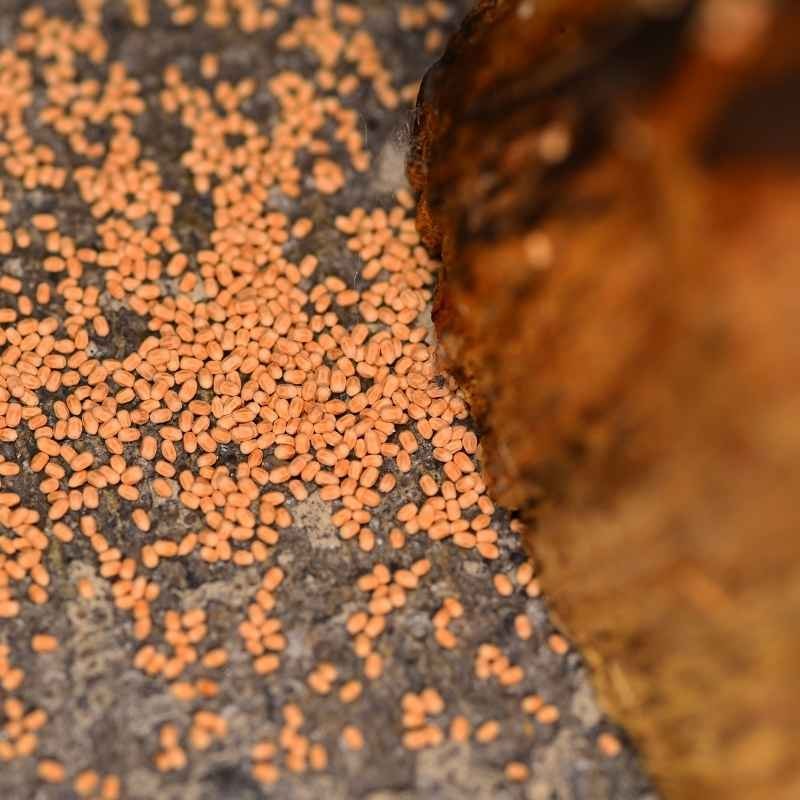
Around Hanover, PA, drywood termites are most likely to be found in wooden structures, furniture, and other wood-based materials inside homes and businesses, although they are much less common in Pennsylvania than subterranean termites. Unlike subterranean termites, which typically live in underground colonies and require contact with soil or access to moisture, drywood termites live directly inside the wood they consume and do not need contact with the ground. If drywood termites were present in a Hanover property, they could potentially be found in wooden roof framing, attic beams, wall studs, hardwood flooring, window frames, door frames, wooden furniture, and other structural or decorative wood. They are most likely to be introduced through infested furniture, antique wooden items, or other wood products transported from regions where drywood termites are more common, particularly warmer areas of the southern United States. Because drywood termites can survive inside relatively dry wood, infestations may remain hidden for extended periods without obvious signs of activity. One of the most recognizable warning signs is the presence of tiny, hard, pellet-shaped droppings called frass, which termites push out through small openings in the wood. These pellets may accumulate beneath infested furniture, along window sills, or on floors near wooden structural components. Other signs can include small holes in wood, hollow-sounding timber, and damaged or weakened wooden materials. However, drywood termites are not the primary termite concern for most properties in Hanover and the surrounding York and Adams Counties, where subterranean termites are generally a more likely cause of termite infestations. If you suspect drywood termites, it is important to have the insects or evidence of damage identified correctly because treatment methods can differ greatly depending on the species of termite and the extent of the infestation. Our professional termite inspections can help determine whether drywood termites are present, identify the affected wood, and customize an appropriate treatment plan to help prevent further damage to your property.